Top 10 e-Money systems for Eastern Europe
Updated: 20.06.2026
Some of the most popular online payment systems are mentioned below.
Users that searched for Top 10 e-Money systems for Eastern Europe then also viewed the following software:
See also: Top 10: E-money systems for Eastern Europe
Users that searched for Top 10 e-Money systems for Eastern Europe then also viewed the following software:
See also: Top 10: E-money systems for Eastern Europe
2026. Nuvei Acquires Payoneer for $2.75B
Canadian company Nuvei, which provides a payment acceptance platform for businesses, is acquiring fintech provider Payoneer for $2.75 billion. Nuvei aims to create a cross-border infrastructure for financial transactions, combining its payment acceptance capabilities with Payoneer's cross-border payouts, multi-currency accounts, and banking network, as well as same-day and real-time settlements in more than 150 countries. A key component of this infrastructure is Payoneer's established regulatory framework in major jurisdictions around the world. Payoneer holds numerous licenses and permits, including a license to provide online payment services in mainland China and preliminary approval as a cross-border payment aggregator in India under the Reserve Bank of India's regulatory framework.
2025. PayPal to integrate its wallet with ChatGPT
PayPal and OpenAI have entered into an agreement to integrate PayPal's digital wallet into ChatGPT. Users will be able to pay for purchases inside ChatGPT using bank cards linked to their PayPal account or from their PayPal balance. The payment system will provide transaction security, order tracking and return support. The deal makes PayPal the first payment service integrated into ChatGPT and is part of OpenAI's strategy to develop AI-powered e-commerce. The company hopes that users will be able to search and purchase products through the chatbot, much like a personal assistant.
2025. Elon Musk launches xMoney payment system in partnership with Visa
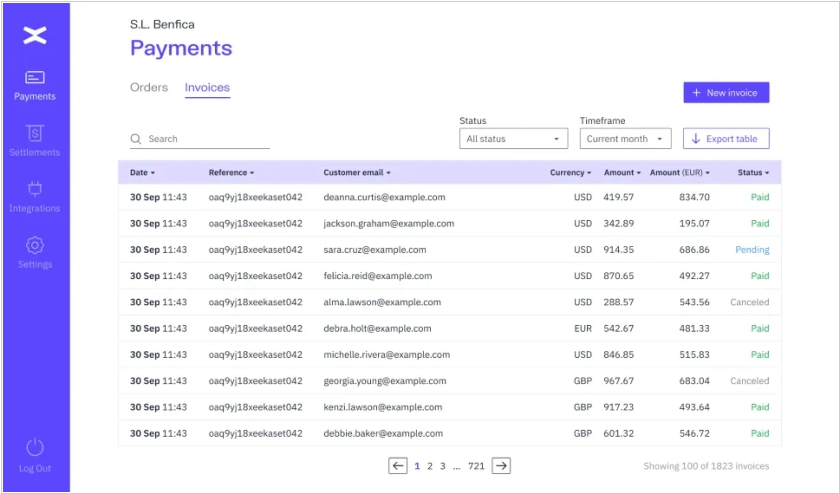
Elon Musk, one of the co-founders of PayPal, is now launching his own (similar) payment system, called (of course) xMoney. It's linked to an X/Twitter account and allows for peer-to-peer payments, online payments, and acceptance of cryptocurrency and fiat payments. Naturally, all of this works within the mobile app. A partnership with Visa allows for secure and instant deposits to your X wallet via Visa Direct and withdrawals to your bank account. An API is also available for online merchants to easily integrate payments into their system. Musk thus aims to create a fintech service that seamlessly connects fiat, digital currencies, and cryptocurrencies.
2024. Proton launched its own crypto wallet
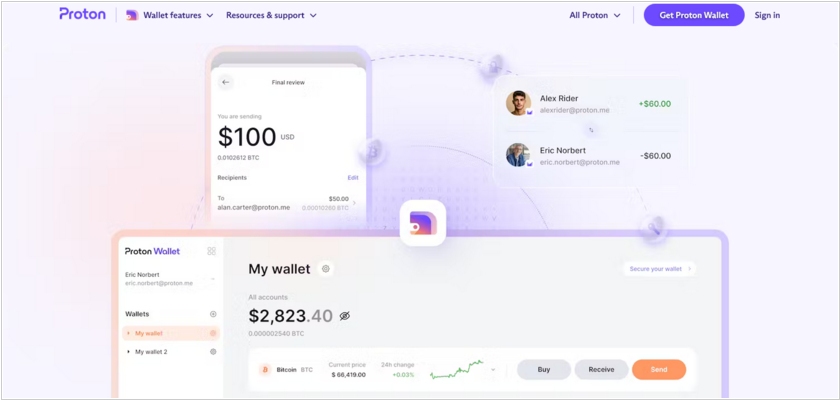
Swiss company Proton, known for its secure email, VPN, and storage services, is launching its first cryptocurrency product—the Proton Wallet. Currently, the wallet only supports Bitcoin, but the company plans to add support for other currencies in the future based on user feedback. Unlike crypto exchanges (such as Coinbase, Binance, and Kraken), Proton Wallet is a self-custody wallet, meaning users control their private keys. To send cryptocurrency, you must approve the transaction using a public and private key pair, which the wallet does automatically when you click the send button.
2021. Mastercard to start working with cryptocurrencies

In 2021, Mastercard payment system will begin working with cryptocurrencies. The company will support digital currency transactions directly through its network. Mastercard believes that digital currencies should provide stability so that people can use them for everyday transactions, rather than for investments. However, it noted that it will not force customers to use cryptocurrency under any circumstances. Mastercard has also reported that it is already collaborating with a number of banks that are preparing to introduce digital currencies as a payment method. The company has not yet named the specific cryptocurrency. However, it did announce that its payment system will support stablecoins.

2020. PayPal to let buying and selling cryptocurrencies
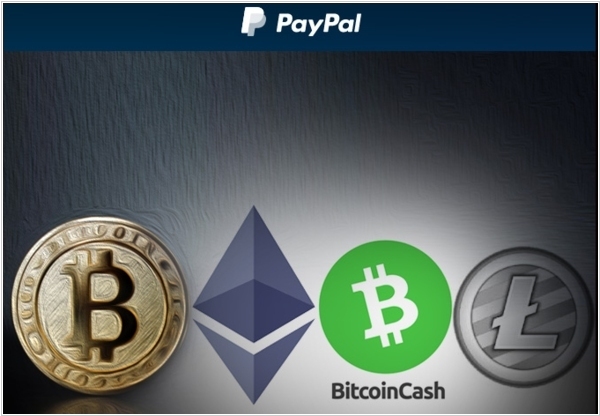
PayPal has been granted a conditional BitLicense by the New York State Department of Financial Service and partnered with cryptocurrency company Paxos to launch a new service. PayPal users in the U.S. will soon be able to buy, hold and sell cryptocurrencies. More countries are coming soon. PayPal plans to support Bitcoin, Ethereum, Bitcoin Cash and Litecoin at first. You’ll be able to connect to your PayPal account to buy and sell cryptocurrencies.
2020. Rupay allows to top up e-wallet using bank card
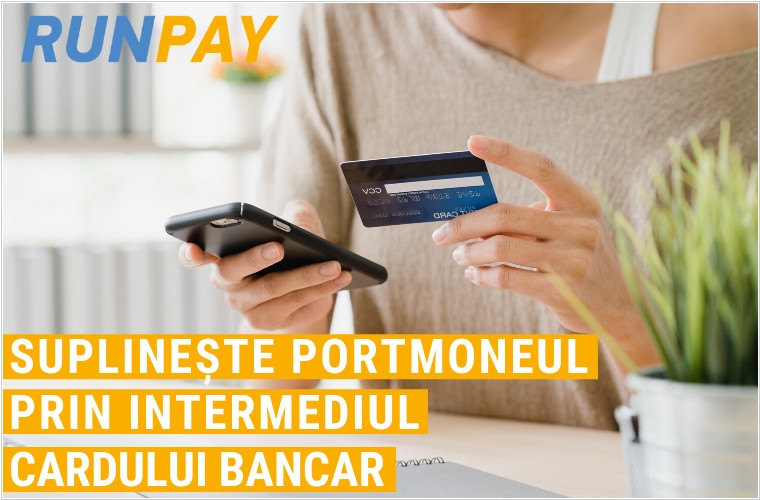
From now you can top up Runpay wallet using VISA, MasterCard or MIR cards issued by banks worldwide that support the 3D-Secure security system. Runpay already services over 150,000 e-wallets in Moldova, demonstrating the company's strong reputation and the trust its customers place in its services. The company is licensed by the National Bank of Moldova and adheres to strict regulatory standards. The Runpay wallet allows customers to make payments for a variety of goods and services, including purchasing vouchers for games and apps, electronic money transactions, paying utility bills, and much more. Additionally, the Runpay mobile app allows customers to pay for goods in stores, providing a seamless and efficient shopping experience.
2020. Facebook unveiled its own e-wallet for the Libra cryptocurrency
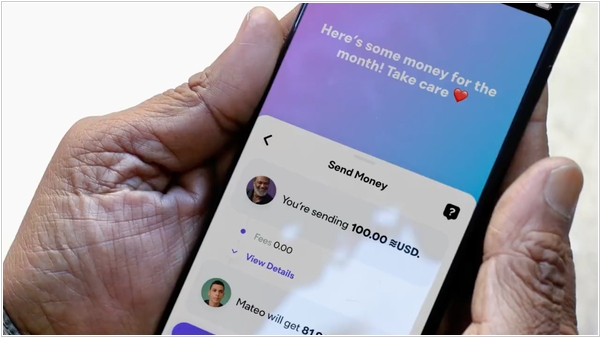
Facebook has changed the name of its digital wallet, Calibra, to Novi. It will be operated by Novi Financial, an independent subsidiary of the social network. Novi will be available as a standalone app or as part of Messenger and WhatsApp. Its launch is scheduled for October 2020. With the rebranding, Facebook is trying to make clear that the Libra project is not owned by the social network. Facebook is merely a member of the Libra association, along with dozens of others, including Andreessen Horowitz, Coinbase, Iliad, Lyft, Shopify, Spotify, Uber, and others.
2015. Payment system WebMoney officially launched in Europe

WebMoney has received a European license and begun operating with a new guarantor, which has been granted the right to issue electronic money within the European Union. WME wallets used in the system will now be considered electronic money, fully compliant with EU law. In recent months, as part of its expansion into Europe, the number of wallet refill points has significantly increased, new online stores accepting WebMoney have been connected, and the system's services are being adapted for European users. According to the company, the number of WebMoney Transfer system participants exceeds 29 million. More than 100,000 online stores worldwide accept WebMoney for payments.
2014. Visa intends to support Bitcoin
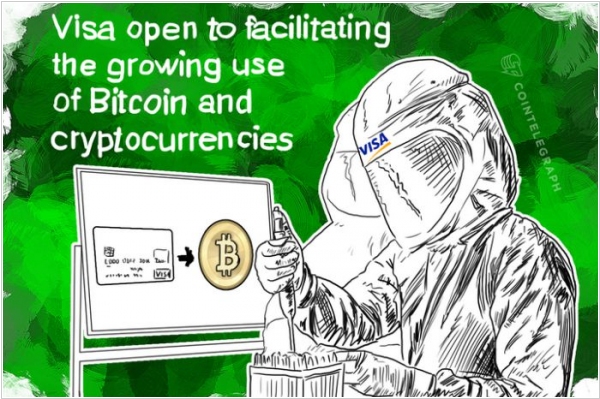
The international payment system VISA is seriously considering the possibility of working with the virtual currency Bitcoin, according to Charlie Scharf, CEO of the international payment system. According to Scharf, VISA may begin using the cryptocurrency in the near future if circumstances warrant. Currently, supporting Bitcoin payments on the VISA network is technically feasible. However, VISA management emphasized that it does not intend to create a cryptocurrency under its own brand, as some companies have already done.
2014. Dell has become the largest company in the world to accept Bitcoin
Dell, in partnership with Coinbase, has begun accepting Bitcoin in its official online store. Furthermore, to promote this new payment method, Dell is offering a 10% discount on Alienware products when paying with Bitcoin. The company emphasizes the advantages of cryptocurrency, including its complete independence from traditional financial institutions and national borders, as well as lower transaction costs compared to traditional payment systems. Prices listed in US dollars will be converted to Bitcoin at the exchange rate set by Coinbase at the time of payment. Bitcoin prices are valid for 10 minutes after the payment process begins. Payments can be made from any wallet, even without a Coinbase account, but refunds are processed only through Coinbase.
2009. WebMoney annual turnover exceeded $6 billion
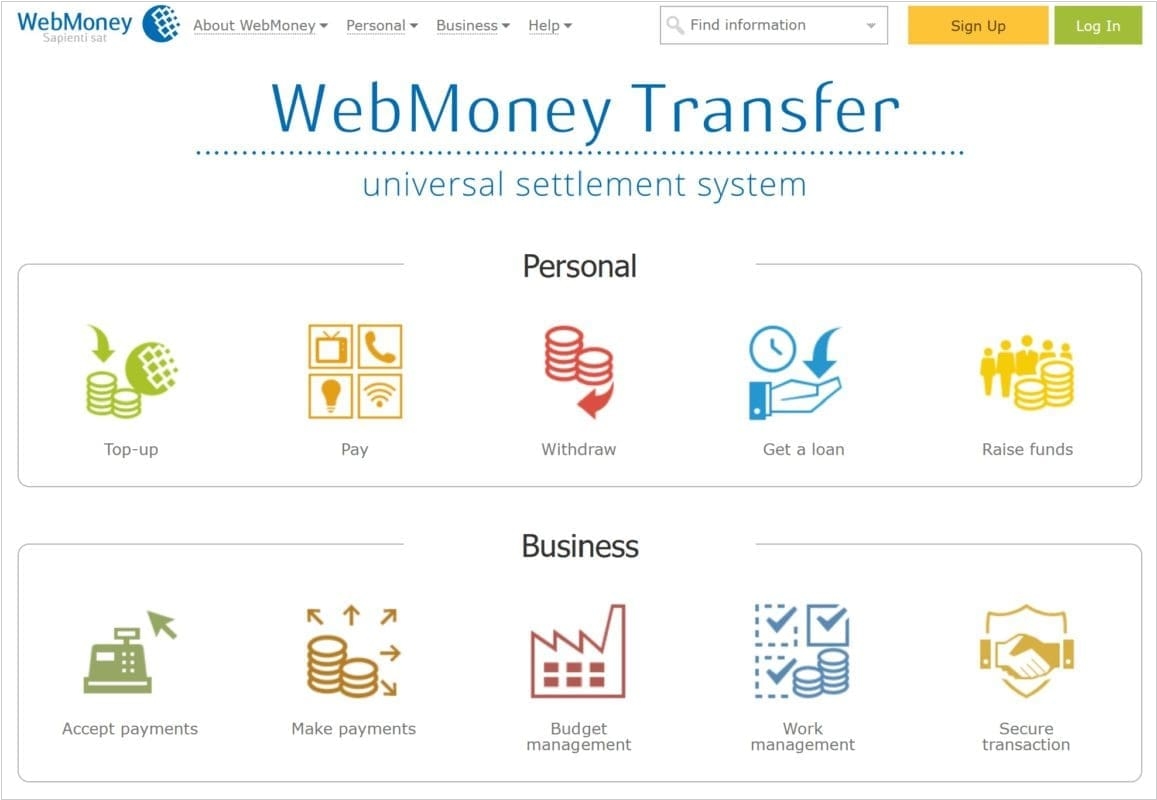
WebMoney has reported that the number of users in the system has already exceeded 7 million. For comparison, at the end of 2007, there were 4.5 million users. The number of transactions has also increased. In 2008, more than 72 million transactions were processed through the system, which amounts to more than 6.5 billion dollars. Compared with 2007, turnover has doubled, and the number of transactions has increased more than 2.5 times. Last year, WebMoney introduced several new services for its users. For example, the "Processing" service for simplifying payment acceptance, the convenient "Adwisor" toolbar, and the "Keeper Embedded" business platform.