
Top 10 online store CMS for Eastern Europe
Updated: 15.05.2026
Some of the most popular online store CMS are mentioned below.
Users that searched for Top 10 online store CMS for Eastern Europe then also viewed the following software:

See also: Top 10: Online Store Builders for Eastern Europe
Users that searched for Top 10 online store CMS for Eastern Europe then also viewed the following software:
See also: Top 10: Online Store Builders for Eastern Europe
2026. PrestaShop gets a new default theme: Hummingbird 2.0
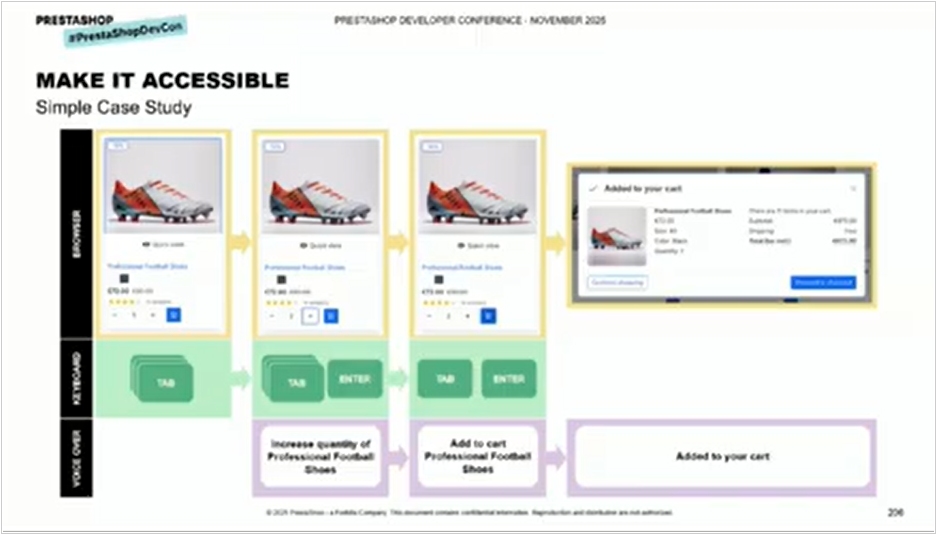
A new version of the French CMS for online stores PrestaShop 9.1 has arrived. It's focused on updating the frontend, increasing accessibility, evolving the architecture, and improving performance. The update affects both the store's appearance and the underlying mechanisms of the platform. Hummingbird 2.0 is now the default theme, replacing the Classic theme. It was developed from the ground up and supports modern development tools and requirements: Bootstrap 5, BEM methodology for CSS, modular SCSS architecture using @layer. The project structure has been redesigned to eliminate deprecated elements, and the number of third-party dependencies has been reduced. Native support for a dark theme has also been added. Furthermore, the new version ensures compliance with accessibility requirements (EAA), implements the ability to handle multiple shipments within a single order, has a redesigned discount system, and has been optimized for the shopping cart with a large number of product combinations.
2026. OpenCart implemented new template builder - CurlyTag

OpenCart, an open-source CMS system for online stores, has integrated a new template builder, CurlyTag (a replacement for the legacy Twig). This is a clean, modern JavaScript template engine designed with one goal in mind: to make creating, customizing, and maintaining OpenCart storefronts as simple as possible. Its advantages include a no-hassle cache, a designer-friendly syntax, and component reuse. CurlyTag is not a third-party plugin. It has access to the same layout variables, language strings, configuration values, and module output as Twig today, at no additional cost. OpenCart claims that CurlyTag will allow developers to customize your storefront faster and more affordably.
2015. WordPress acquired e-commerce platform WooCommerce
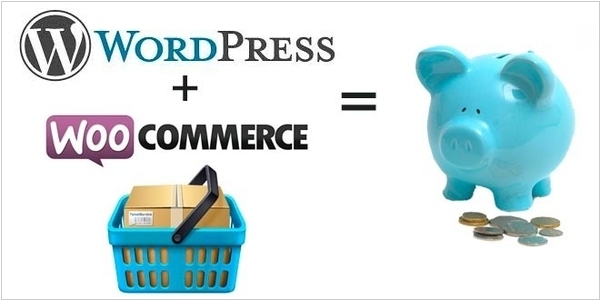
Automattic, the company behind WordPress, has acquired WooCommerce, which develops a popular plugin that turns WordPress into an e-commerce platform. WooCommerce currently powers at least 650,000 online stores. Automattic is not disclosing the purchase price but says it is by far "Automattic's largest acquisition to date." WooCommerce is characterized by its ease of use. Adding products is implemented in the same way as adding a new blog post. PayPal support for accepting payments is included out of the box. It also allows for managing shipping logistics and inventory. WordPress.com competitors, such as Squarespace, have e-commerce modules, and of course, there are online store builders such as Shopify, Big Cartel, and Bigcommerce.