Top 10 Facebook Business Management tools for Eastern Europe
Updated: 27.05.2026
Some of the most popular Facebook business account management and monitoring services are mentioned below.
Users that searched for Top 10 Facebook Business Management tools for Eastern Europe then also viewed the following software:
See also: Top 10: Social Media Marketing Software for Eastern Europe
Users that searched for Top 10 Facebook Business Management tools for Eastern Europe then also viewed the following software:
See also: Top 10: Social Media Marketing Software for Eastern Europe
2026. SMM service Planable adss API and MCP server
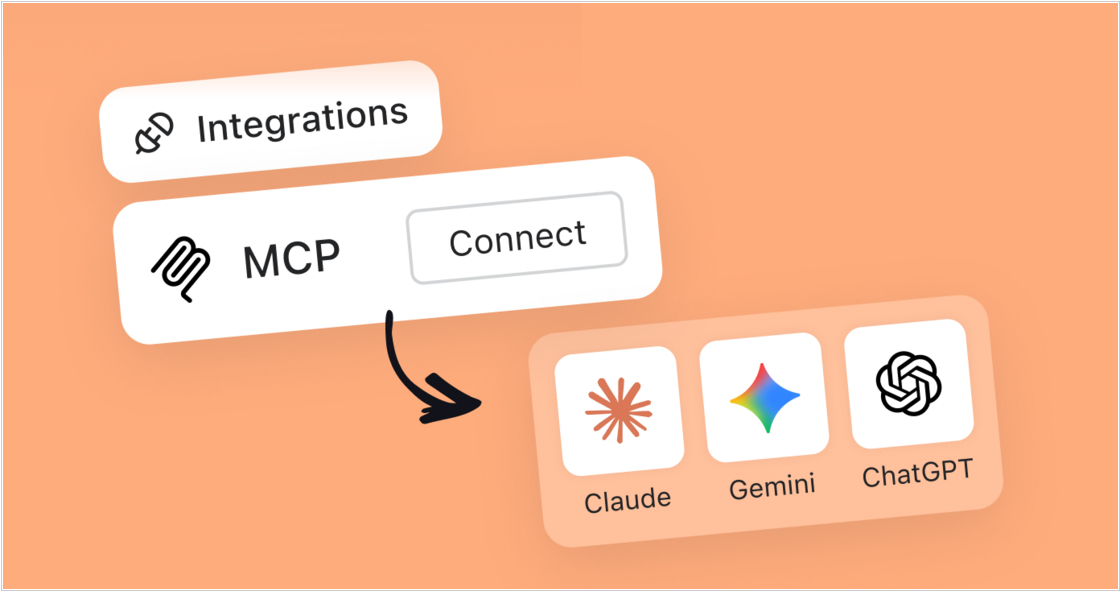
Platform for marketing in Instagram, Facebook and other social networks Planable can now be connected to AI chats like Claude and ChatGPT via an MCP server. Once connected, your AI can work within Planable on your behalf, with the same access rights as you. For example, while chatting with AI, you can create and organize posts in multiple workspaces without opening Planable, get a quick overview of marketing campaigns, retrieve customer data and create posts for different channels (approvals still occur in Planable, as usual). Also Planable now has a public API that can be connected, for example, to a CMS for media library syncing, analytics, and content creation. You can generate API tokens with read or read/write permissions, restrict them to specific workspaces, and limit their validity by expiration date.
2026. Meta AI Business Assistant Now Available Globally
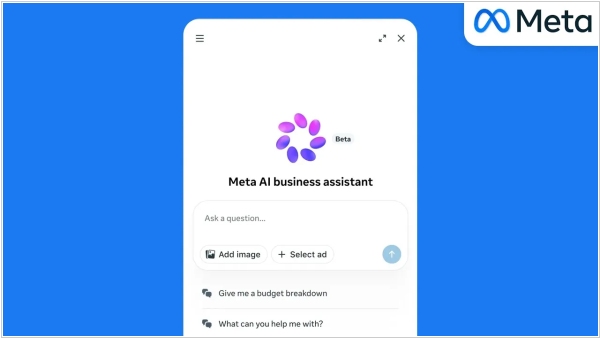
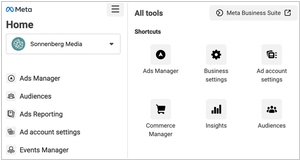
Meta has launched its Meta AI assistant for all advertisers on Facebook and Instagram. Available in the Meta Business Suite, Facebook Ads Center and Instagram content promotion, this chatbot helps you optimize your ad campaigns. It provides personalized recommendations, helpful insights, and quick support. For example, you can ask it "Show me my overall performance trend this week" or "Help me improve my campaign creative." Using the Meta AI business assistant and opportunity scoring, advertisers can make more informed decisions, optimize campaigns, and improve business results.
2021. Facebook has changed its name to Meta

The new name Meta is derived from the word "Metaverse," which refers to a virtual reality in which people interact with each other as avatars. This is precisely the kind of universe Mark Zuckerberg is now planning to create, and he wants the company to be associated with it, not with the old-school social network (which will continue to be called Facebook). In other words, Meta is now the name of the parent company, which will continue to operate Facebook, Instagram, and WhatsApp, while simultaneously developing the "metaverse." This all resembles the rebranding of Google, which became Alphabet several years ago, but in reality, everyone still calls it Google.
2020. Facebook launched app for managing business accounts on Instagram and Messenger
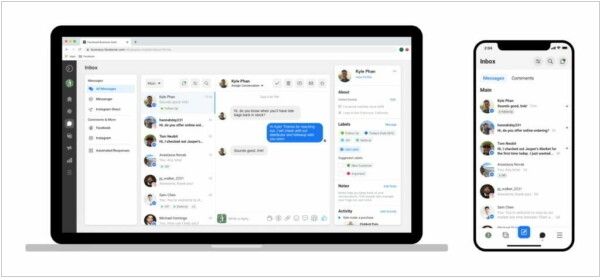
Facebook has launched the Facebook Business Suite app, which allows businesses to manage their Facebook, Instagram, and Messenger business accounts from a single interface. With the Business Suite, businesses can also receive messages, notifications, and alerts from all three platforms in a single inbox, and publish and schedule content or ads across Facebook and Instagram simultaneously. The app also features analytics, allowing you to see which content is best suited for each app. This app is ideal for small businesses that don't always have large social media teams.
2019. PlanFix integrated Facebook lead forms
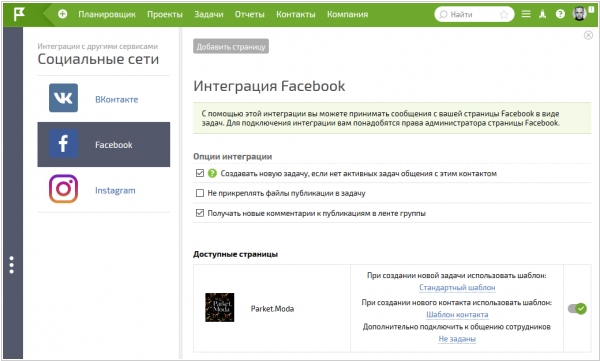
ПланФикс CRM has added another lead generation channel: Facebook lead forms. Companies that use lead forms in their advertising strategy can now instantly receive them in their CRM and contact customers as soon as they submit their contact information in response to an advertising message. Thanks to extensive processing automation capabilities, contacts and leads can be automatically placed at the appropriate stage of the sales funnel, become recipients of targeted emails, receive a scoring assessment, and much more. PlanFix allows you to receive leads from various social networks, chats, phone, and email. This omnichannel approach allows sales managers to quickly process requests within the system's common interface, without switching between different applications or missing anything.
2019. Chaport integrates with Facebook and Telegram
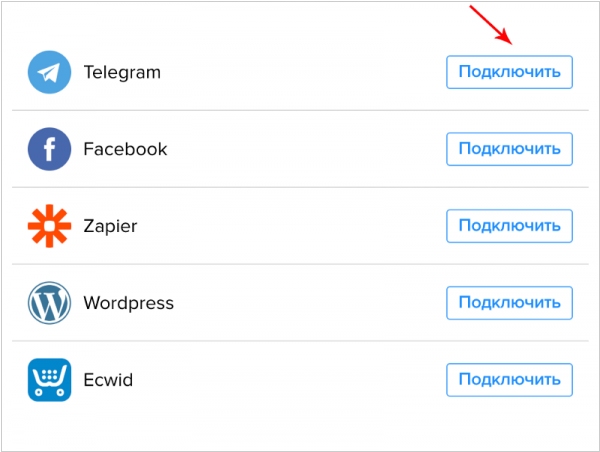
Chaport, a website chat service, now allows to answer customer questions in Facebook Messenger and Telegram directly from its interface. To integrate with these channels, go to Settings → Integrations and connect Chaport to your Facebook business page or Telegram bot. In your Chaport account, operators will see which channel the message was sent from: the channel icon will appear next to the visitor's avatar. After opening the chat, "Facebook" / "Telegram" will appear under the visitor's name. The channel the customer is sending from will also be displayed in the "Website" field in the "Visitor Information" section on the right.
2017. Facebook Messenger can be used as a support chat on website
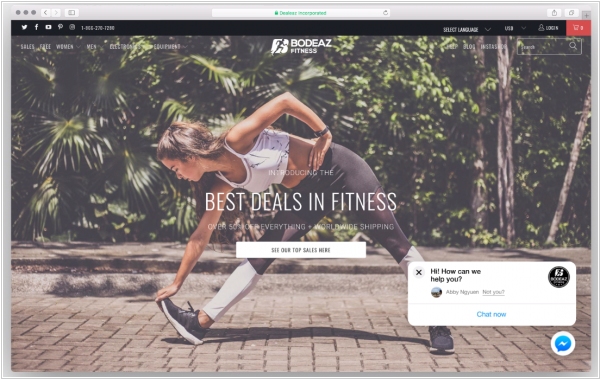
If most of your customers use Facebook, you'll love the new tool the social network has released specifically for businesses. This plugin allows to embed a support chat on business website, powered by Facebook Messenger. It works on both the main and mobile versions of your website. After starting a conversation, users can close the website and continue the conversation through the app and web version of Messenger. This chat will also support all Messenger features, including file and image sharing, payments, bots, and more. To install the chat on your website, submit a request here.
2017. Facebook Ads can now track offline conversions
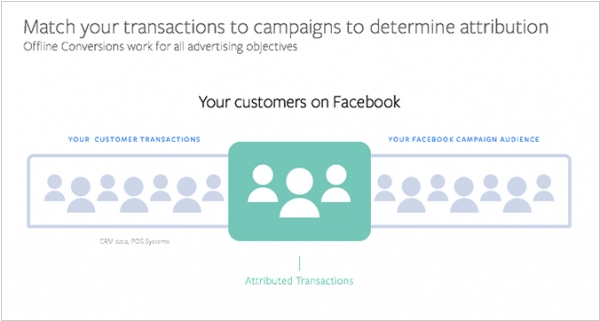
Advertising tool Facebook Lead Ads has added support for importing offline conversions. This tool will allow multi-channel marketers to measure the effectiveness of their advertising. Lead Ads can now be connected to CRM, point-of-sale systems, or incoming call tracking systems. This allows to take into account data on customer offline activity and the tools that brought them in. Offline conversion tracking allows to determine the direct link between advertising and sales, whether it's a purchase in a physical store, a hotel reservation over the phone, or an in-person meeting, and build advertising campaigns based on successful offline activities.
2016. Facebook created unified Inbox for businesses
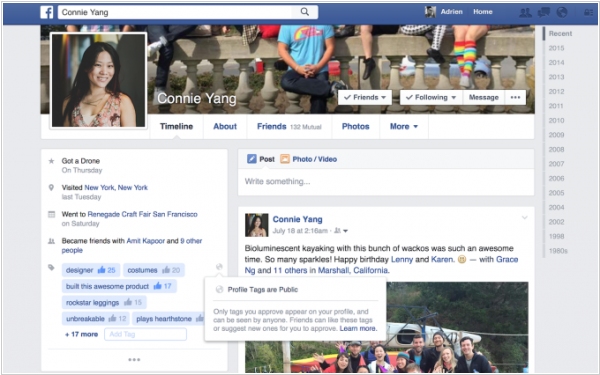
Facebook has made life easier for businesses that use corporate Facebook, Instagram, and Messenger accounts to communicate with customers. Now, messages from all these networks and comments on posts can be read (and responded to) in one place – the Pages Manager app. Furthermore, Facebook has decided to compete with LinkedIn and launched a job posting and application service. The new feature allows to post a job opening, specifying salary, schedule, and other key information. Job openings can also be promoted as a separate post. Job seekers will also be able to add public tags to their profiles, similar to those on LinkedIn.
2016. Salesforce and Zendesk created chatbots for Facebook
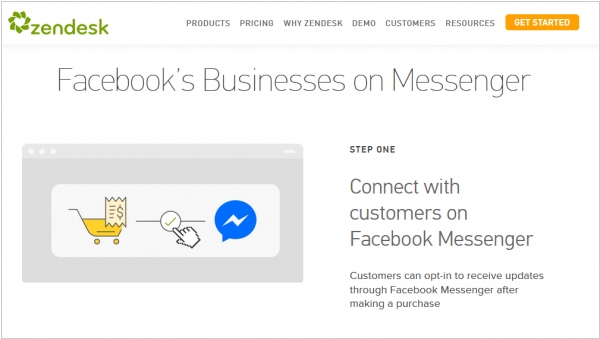
Have you come to terms with the fact that your company will need its own chatbot, but don't know how to create one? No problem. You probably won't even have to create one yourself. After all, chatbots will become a common part of traditional customer service systems. At least, this is the trend that has been identified by the global CRM market leader Salesforce and the market leader in customer support systems Zendesk. Together with Facebook, they have implemented Facebook Messenger integration into their solutions. The integration makes it easy to set up your own chatbot, which can communicate with the client automatically or transfer them to a live operator. Salesforce gives the following example: An airline customer is late for a flight, opens Messenger, and sends a request to the company's bot to change their tickets; the bot changes the tickets in the system and sends a confirmation response to the customer.
2015. Facebook wants to hook all businesses on its Messenger
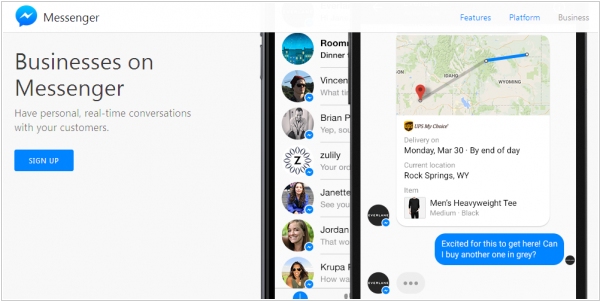
Messenger, not the social network, is now Facebook's priority product. At the recent Facebook f8 developer conference, it was the talk of the town. First, Facebook Messenger has become a platform, meaning third-party applications can now use it as a messaging channel. Second, Facebook launched the Businesses on Messenger project, which aims to replace email for communications between businesses and customers. Facebook says Messenger is much more convenient for customers than email. It allows for both real-time and asynchronous communication, and it's easier to share messages and content from mobile devices. And thanks to integration with business applications (helpdesk, support chats), companies can communicate with customers much more effectively. For example, they will be able to send clients not only text messages, but also interactive embedded widgets (forms, maps, surveys...).
2015. Facebook launched automated Product Ads
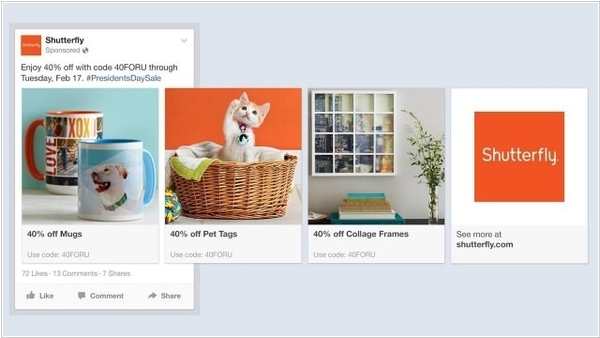
Facebook has added new option Product Ads - a set of tools that lets businesses more effectively target Facebook's 1.4 billion users with a new, automated process. With Product Ads, businesses can upload their product catalogs to Facebook and let it automatically create campaigns and target various kinds of users with ads it thinks will perform well (based on user's interests, location and whether they've already been to the advertiser's app or website). Product Ads could prove useful to businesses with deep inventories of products: furniture chains, clothing franchises and so on.