
Top 10 AI Video generators for business for Eastern Europe
Updated: 21.05.2026
Some of the most popular AI Video generation services are mentioned below.
Users that searched for Top 10 AI Video generators for business for Eastern Europe then also viewed the following software:
See also: Top 10: Online Video Editors for Eastern Europe
Users that searched for Top 10 AI Video generators for business for Eastern Europe then also viewed the following software:
See also: Top 10: Online Video Editors for Eastern Europe
2026. The new Gemini Omni model generates better video than Veo

Google has unveiled a new video generation model, Gemini Omni, which, unlike text-to-video tools like Google Veo, is multimodal in both input and output. This means users can feed the model text, audio, images, and video, and Omni creates a unique interactive world within itself. Google claims that Omni will be able to generate videos with more accurate physics and create more realistic content. Users can also edit videos by interacting with the model, for example, asking to change the background, style, angle, scenery, or even a specific detail in the video. The new model is already available to paid Google AI Plus subscribers and will later be available in YouTube Shorts and the YouTube Create app, free for users.
2026. Runway now has AI agent for video creation
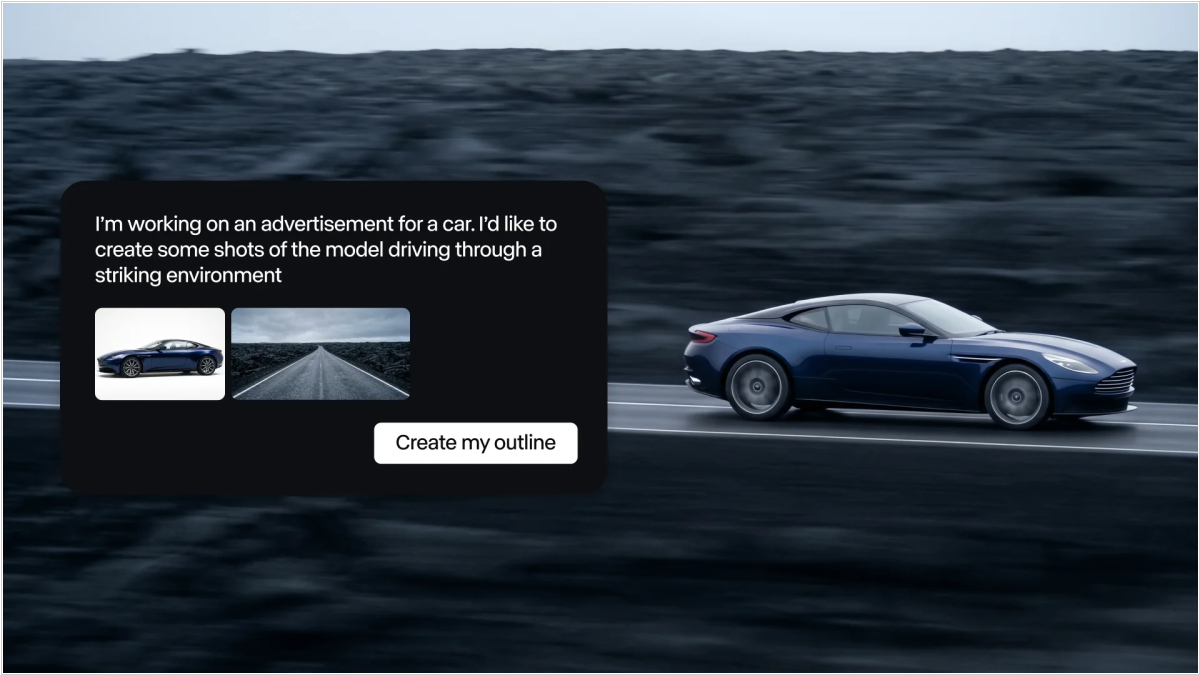
Video generation platform Runway has unveiled AI agent that can help you go from idea to ready-to-publish video in just one conversation. Simply describe your needs, upload a base image (if available), select the aspect ratio and duration, and the agent will propose a concept, develop storylines, and create a complete visual direction tailored to your context. It will then create the video: several scenes, voiceover, dialogue, and music—all assembled and ready for publication. You can refine the video during the discussion, and the editor with timeline allows to make final adjustments. Runway Agent is trained to generate ads, brand campaigns, social media content, and even short films.
2026. OpenAI shut down Sora video generation platform
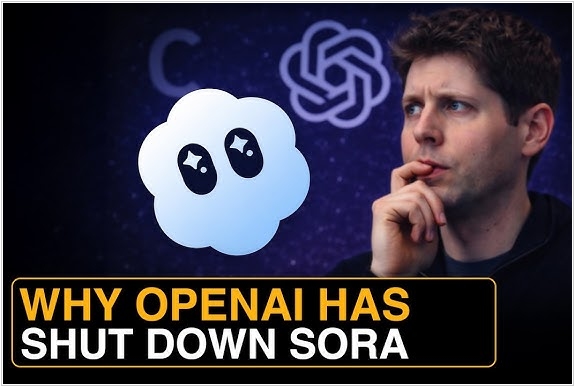
OpenAI has shut down its video generation service Sora (including its API and mobile app). It is said that its potential profit did not justify the high costs. Sora was released in December 2024 for paid ChatGPT subscribers. In October 2025, a major update was released with the Sora 2 model and a dedicated Sora app for iOS. The flagship feature was the ability for users to scan their faces and create realistic deepfakes. On its first day, the app was downloaded 100,000 times, despite access being by invitation only. It surpassed a million downloads faster than ChatGPT. However, after a strong start, its popularity declined (the Sora app fell out of the top 100 apps in the App Store). Sora has also sparked protests for its ability to create deepfakes of real-life celebrities, with their heirs demanding that it "stop making videos featuring their deceased fathers."
2025. Adobe Firefly now allows to edit videos using prompts
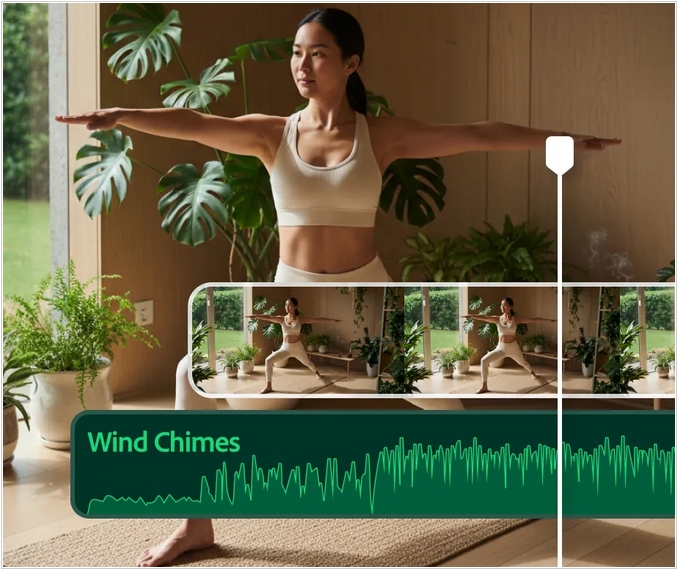
Adobe has updated its AI-powered graphics tool, Firefly, adding a video editor that supports precise editing based on text suggestions. Previously, Firefly only supported prompt-based video generation, so if you weren't satisfied with a particular part of a video, you had to recreate the entire clip. The new editor lets you use text suggestions to edit video elements, colors and camera angles and features a new timeline view that allows to easily adjust frames, audio and other settings. Also Firefly added support of new third-party image and video generation models, including FLUX.2 and Topaz Astra from Black Forest Labs.
2025. Midjourney created model for video generation
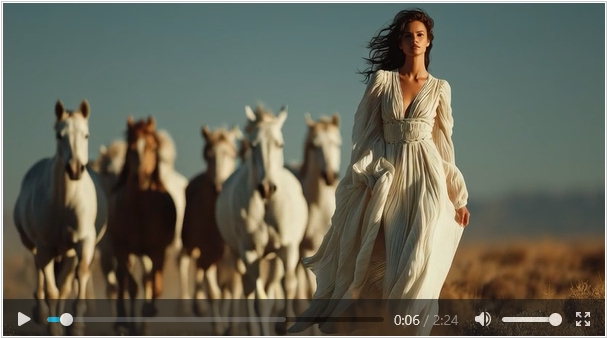
Midjourney, known for its generative AI models for image creation, has unveiled its V1 video creation model, which will compete with OpenAI Sora, Adobe Firefly and Google Veo. However, Midjourney traditionally focuses on the creative community rather than corporate or advertising needs. Like Midjourney's core model, V1 works exclusively through Discord. Users can upload their own image or use one generated by another AI on the platform. V1 is available with a basic $10 subscription, but unlimited generations are only available with the Pro ($60) and Mega ($120) plans in slow mode. Videos can be extended to 21 seconds, and the settings include options for automatic or text animation, as well as a choice of motion levels.
2025. Google Veo 3 generates videos with dialogue
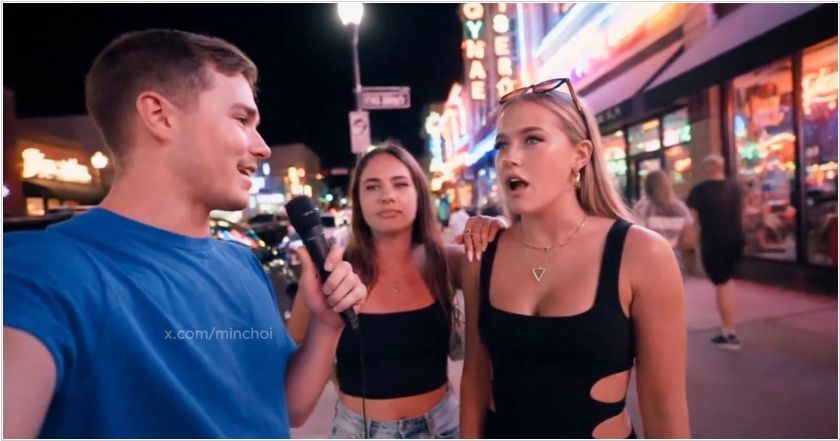
Google has unveiled its latest generative video model, Veo 3, which can now automatically add dialogue, relevant music, and sound effects. Moreover, the videos generated by the model look incredibly realistic, and many observers are calling this the next step in the development of generative video models. If Google Veo 3 truly generates videos of this quality (not just one successful example out of thousands), then it will be possible to create, for example, commercials simply by writing a prompt. The new version also features improved quality and physically based rendering, added the ability to output in 4K, and improved prompt compliance, meaning the results will more accurately match your instructions.
2024. Google's Veo 2.0 model can now change video angles
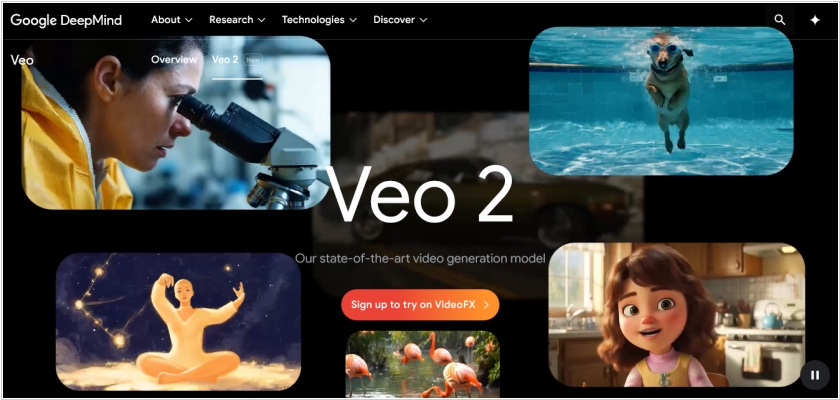
Hot on the heels of OpenAI Sora's release, Google updated its AI video generation model, Veo 2.0. The new version of Veo features several cool new features, including 4K resolution, improved camera controls, and significantly higher overall quality than the previous version. According to Google, Veo 2.0 is a huge leap forward in detail, realism, and artifact reduction. The model is capable of generating videos with high-fidelity textures, natural motion, and a cinematic quality compared to its predecessor. For directors, marketers, and content creators, these tools open the door to more complex AI-generated stories. Instead of stitching together individual scenes, Veo can now create complex, multi-angle videos with a single prompt.
2024. OpenAI unveiled its video generation model Sora
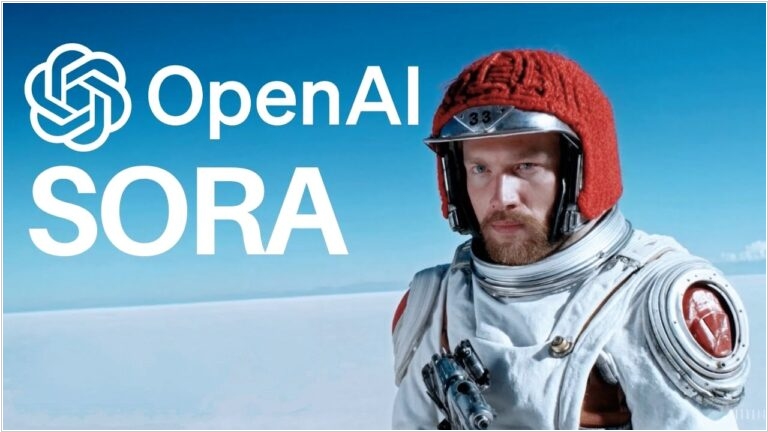
OpenAI has released its video generator, Sora AI, which generates short video clips from text prompts. Additional prompts allow for some degree of "remixing" of the video, while storyboards allow for combining multiple prompts and creating transitions between videos. Sora's videos are limited to 480p to 1080p resolution and are no longer than 20 seconds. A $20/month ChatGPT Plus subscription is required to create up to 50 480p videos and a smaller number of 720p videos. Pro users (for $200/month) can generate 1080p videos, receive 10x more features, and create longer videos. Free ChatGPT users cannot create videos.
2024. Meta unveiled AI tool for creating videos with sound
Meta has announced own AI generator, Movie Gen, which creates videos with sound based on text queries. Users simply describe their query in words and then, if necessary, specify any changes they would like to make to the resulting video—for example, to the background or colors of objects—and the tool will adjust the desired detail. The tool overlays audio onto the video according to its content. For example, the sound of a running engine while a car is moving in the frame, the sound of a waterfall or thunderstorm, as well as musical fragments. It cannot yet record human speech.
2024. Adobe unveiled AI tool that turns text and images into video
Adobe has unveiled a new tool powered by generative AI, which allows to create video clips from still images and descriptions. It not only creates videos but also allows you to adjust the results using various camera controls that simulate changes in viewing angle, camera movement, and shooting distance. An image-to-video feature was also demonstrated, which can generate clips based on specific images. The new tool will expand the capabilities of the Adobe Firefly video model.
2024. Stability AI has introduced Stable Video 4D model for generating video with different camera angles
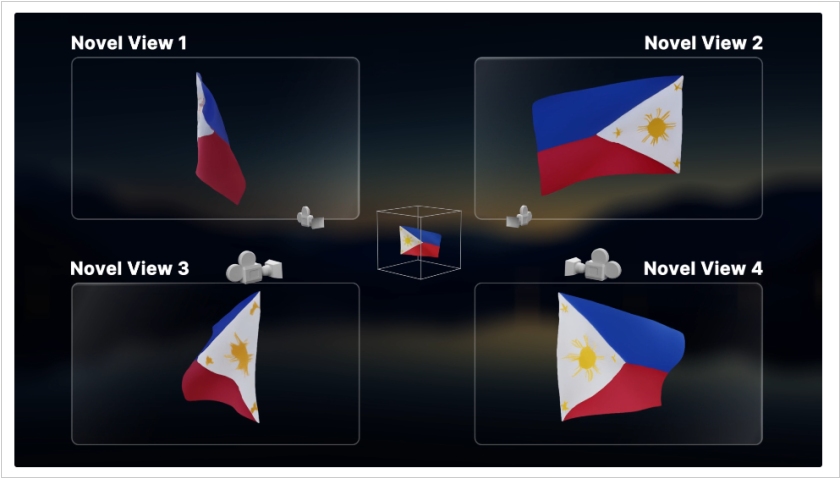
Stability AI has unveiled a machine learning model, Stable Video 4D, designed to generate new camera angles for videos. The neural network is fed a video, from which it will create new camera angles. The desired viewing angles are then specified. By default, the model can generate up to eight camera angles at a time, but this number can be changed. The main drawback is that Stable Video 4D currently generates five frames for each camera angle. The developers plan to increase this number in the future. The neural network can be installed locally and is published on the Hugging Face portal. Companies and individuals who intend to use Stable Video 4D for commercial purposes and earn more than a million dollars must request permission.
2024. Google added voiceover to its AI-powered video generator Veo
A month ago, Google Deepmind unveiled a new neural network for video generation, Veo. It can create short 1080p videos in a variety of visual and cinematic styles based on text descriptions and (optionally) images and video prompts. Now, it can also generate audio tracks for videos. This isn't just about selecting a soundtrack that matches the mood of the video, but about a meaningful soundtrack. For example, if a person is walking in the frame, the sound of their footsteps will be heard; if a car passes, the (distant) engine noise will be heard. Furthermore, the model can generate speech for characters (currently based on text descriptions).
2024. Adobe adds AI-powered object removal to Premiere Pro
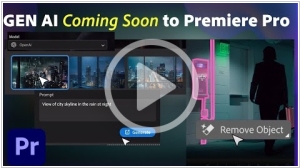
Adobe has introduced a new version of its video editor, Premiere Pro, with generative AI for video editing. New features can remove and add objects in videos. You can also blur logos and license plates. To do this, click the magic wand icon, select the desired function, and then select the area of the video you want to remove, for example. The video editor can also automatically fill in missing frames at the beginning or end of a video.
2023. Runway unveiled Gen-2 video generation model
Runway, the company behind the popular image generator Stable Diffusion, has unveiled its new Gen-2 neural network, which offers video creation based on a user's text input. The network is currently capable of converting a text description into a three-second video clip, opening up vast possibilities for video content creators. Gen-2 will not be publicly available at launch due to security concerns. Instead, users can access the revolutionary AI technology through Discord by joining the waitlist on the Runway website.