Top 10 Linux Video Conferencing Platforms for Eastern Europe
Updated: 04.06.2026
Some of the most popular Linux video conferencing platforms are mentioned below.
Users that searched for Top 10 Linux Video Conferencing Platforms for Eastern Europe then also viewed the following software:
See also: Top 10: Video Meeting Platforms for Eastern Europe
Users that searched for Top 10 Linux Video Conferencing Platforms for Eastern Europe then also viewed the following software:
See also: Top 10: Video Meeting Platforms for Eastern Europe
2022. Microsoft is ending support for Teams desktop client for Linux
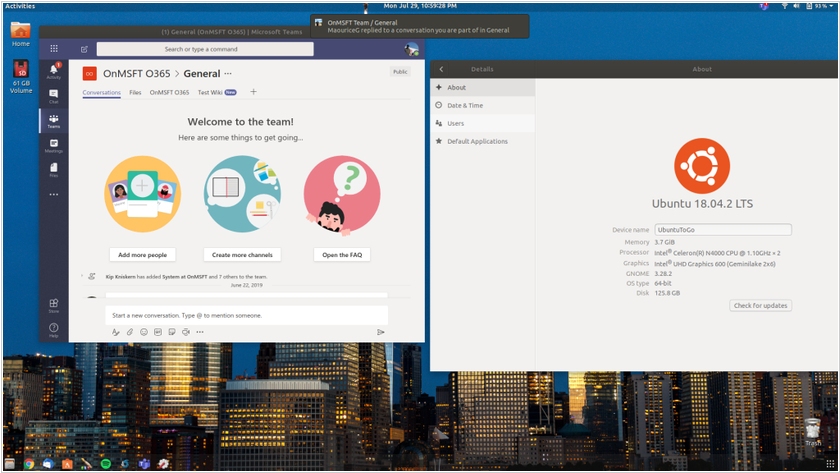
In August, Microsoft announced that it's ending support for the Teams desktop client for Linux. It will remain in use until early December, after which it is recommended to use the Teams PWA (Progressive Web App). The Linux client is buggy and lacks some features found in the Windows and macOS desktop clients. Experts believe few people use it fully, so no one will be significantly impacted. The Teams PWA runs in Chrome or Edge. Firefox users can continue to use the existing browser version of Teams, as Firefox does not support progressive web apps.
2009. Why pay $350,000 for Tandberg when there is OpenMCU?
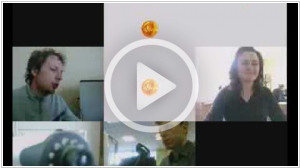
We recently brought to your attention the open-source video conferencing server OpenMCU, and now the first example of implementing multipoint video communication using this solution has appeared. The following open source products were used as tools for the conference call session: GNU Gatekeeper version 2.2.7, Jan Willamowius's gatekeeper GUI, the Sun xVM Virtualbox virtual machine for Linux and Windows, the Debian Linux distribution, Ekiga version 3.0.2 for Windows and version 3.0.1 for Linux, and OpenMCU 2.2.3. We also used our Pulse product for testing, to check its interaction with other software. The testing was successful, establishing a communication session (H.261) between 7 participants, with simultaneous video and audio broadcasting.
2008. Cisco Webex is the market leader in web conferencing, followed by Microsoft and IBM
According to the latest Gartner report, Webex is the sole leader in the web conferencing market, accounting for 36%. Its main rival is Microsoft Live Meeting with 10%. However, other players are not sitting idle. IBM is particularly active. Yesterday, a new version of its SaaS web conferencing service, Lotus Sametime Unyte 8.2, was released. It already fully replicates Webex in functionality and is slightly less expensive ($48/month for 15 users, compared to Webex's $49). Another (smaller, but no less aggressive) competitor to Webex, Yugma, announced the release of a Linux version of its system. Yugma has already earned a reputation as one of the best solutions for communication between PC and Mac users. The Linux version (which, according to the developers, is even more advanced than the two aforementioned) will fit perfectly with Yugma's strategy and, undoubtedly, increase its market share.
2007. Skype for Linux adds video calling
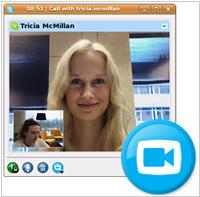
Skype has released a brand new version of Skype 2.0 for Linux (release 2.0.0.13), which will make a real gift for all Linux Skype users – they will finally be able to see each other, thanks to long-awaited video conferencing support. Video support in Skype for Linux has long been a top request from Linux users, and now they will be able to take full advantage of Skype communication. In addition to video support, release 2.0.0.13 includes group chat features and call forwarding. Numerous improvements have also been made to the program. As a reminder, release 2.0.0.13 is an early beta version and is intended primarily for experienced users.
2007. Lotus Sametime now features two-way video calling
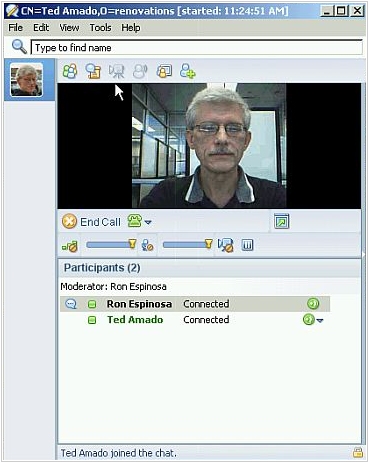
The new version of the IBM Lotus Sametime unified communications system, version 7.5.1, introduces two-way video calling, allowing users to begin a conversation with text messages and, if needed, expand it to voice or real-time video. Built-in support for Microsoft applications allows users to launch video chats and Lotus Sametime web conferences directly from Microsoft Outlook and Microsoft Office applications. This version of Lotus Sametime also features integration with Microsoft Outlook and Office applications, as well as support for Linux servers and Macintosh clients.