Top 10 Video Conferencing Hardware Systems for Eastern Europe
Updated: 31.05.2026
Some of the most popular video hardware solutions are mentioned below.
Users that searched for Top 10 Video Conferencing Hardware Systems for Eastern Europe then also viewed the following software:

See also: Top 10: Video Meeting Platforms for Eastern Europe
Users that searched for Top 10 Video Conferencing Hardware Systems for Eastern Europe then also viewed the following software:
See also: Top 10: Video Meeting Platforms for Eastern Europe
2024. New video conferencing hub Yealink MeetingEye 500

The discontinuation of the flagship Yealink M800 terminal is being compensated by the vendor with the release of the new Yealink M500 terminal. At first glance, given the identical form factor and similar functionality, this appears to be a replacement in the model line. However, upon examining the specifications and model index, it becomes clear that the M500 is more in line with the status of the entry-level model. The terminal is designed as a standalone device and can be installed either on a shelf/desktop or in a wiring closet. The M500 does not have built-in microphones and a camera like the entry-level models and is designed for use in large meeting rooms using external audio peripherals and pan-tilt video conferencing cameras with high optical zoom. The MeetingEye 500 terminal, if necessary, integrates seamlessly into existing infrastructure and connects to the acoustic and microphone systems available in the meeting room.
2020. Google released AI-based equipment for video conferencing
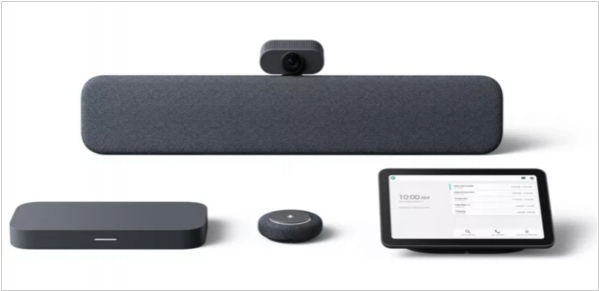
Google has unveiled a new video conferencing hardware suite – Google Meet Series One. This line of devices was developed in collaboration with Lenovo, incorporating high-quality cameras, microphones, and advanced technologies. The new suite is powered by the Google Meet platform, a key element in maintaining the efficient operation of the entire system, leveraging many of the same technologies used in Google's cloud data centers. The suite is equipped with Coral M.2 and Edge TPU accelerator modules, enabling onboard AI-powered audio and video processing to ensure both high performance and privacy.
2018. Plantronics acquired Polycom for $2B
Plantronics, a company primarily known for its telephony headsets, has acquired Polycom, a leading developer of videoconferencing systems, for $2 billion. By acquiring Polycom, Plantronics intends to expand its communications and collaboration offerings. The vendor's portfolio includes headsets, software, office phones, audio and video conferencing tools, as well as analytics and services. Polycom's main competitors in the videoconferencing market are Cisco (which acquired Tandberg), Logitech (which acquired LifeSize), and Microsoft (which acquired Skype).
2016. Mitel acquired Polycom for $1.96 billion

Consolidation in the videoconferencing market continues. First, Cisco bought Tandberg. Then Logitech bought LifeSize. Then Microsoft bought Skype. Then Polycom bought HP's videoconferencing business. Then Avaya bought Radvision. Now, the Canadian company Mitel, which competes with Cisco and Avaya in the unified communications market, has acquired one of the videoconferencing market leaders, Polycom, for $1.96 billion. Experts say that the popularity of hardware videoconferencing systems (like Polycom) is declining, giving way to software and cloud solutions. And that they will survive only as components of larger unified communications systems for large companies.
2015. Polycom released conference room system that works via Skype
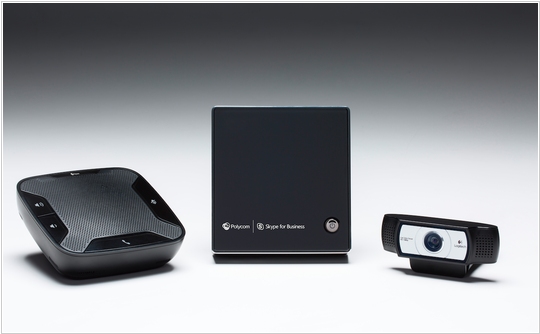
Polycom and Microsoft have introduced a new video conferencing solution, Polycom RoundTable 100, designed specifically for use with Microsoft's Skype for Business (formerly Lync). Designed for use in conference rooms, it allows employees of small and medium-sized businesses to take advantage of full collaboration capabilities, such as audio, video, and content sharing, simply by logging in with their Skype for Business or Microsoft Lync 2013 accounts. RoundTable 100 takes just minutes to install and launch. Additionally, RoundTable 100 doesn't require corporate domains or on-premises deployment, so you can use it without the help of an IT professional.
2014. Polycom offers virtual conference room subscription

Polycom has launched its RealPresenceOne video collaboration system as a subscription service, making it even easier for companies to implement collaboration tools. Polycom RealPresenceOne allows businesses to choose the most appropriate video collaboration option, including hybrid and on-premises solutions that perfectly fit their business models and budgets. Costing less than $1 per user per day, it's ideal for customers new to audio, video, and content collaboration.
2014. Google released video conferencing system for meeting rooms

Google has released a professional video conferencing system based on Google Hangouts - Chromebox for Meetings. It costs only $999 + $250/year (the subscription fee is only payable starting from the second year). As the name suggests, the system is based on the Chromebox - a serial Google computer running Chrome OS. In addition, the system includes a Logitech HD camera, microphone, remote control, and any LCD TV. In addition to a video conference room equipped with these gadgets, users can participate in the video conference from their computers, tablets, and smartphones - as usual via Google Hangouts. A total of 15 video streams are supported. For example, a director, while on the beach, can gather all employees in a video conference room and communicate with them using a tablet. Thanks to integration with Google Calendar, the system makes it easy to plan video meetings and schedule video conference room use.
2013. Avaya IP Office 9.0 allows to hold video meetings for 2K participants
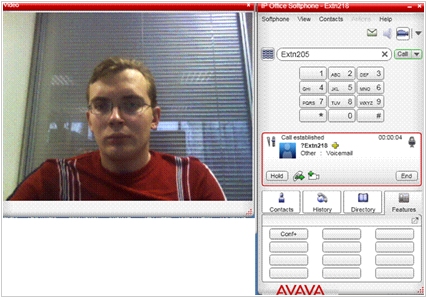
Avaya has launched an updated version of its hardware communications system for small businesses, Avaya IP Office 9.0, on the Russian market. This solution provides an optimal set of options for remote collaboration in mid-sized companies: increased scalability, flexible deployment, and simplified videoconferencing management. This version of the solution for the first time offers video conferencing capabilities, as well as mobile access for teams of up to 2,000 people. New virtualization features will help companies of all sizes quickly deploy multifunctional collaboration and communications solutions in less than an hour.
2010. Tandberg integrates Microsoft OCS with video conferencing systems

As a logical continuation of the recent initiative of its parent company Cisco, Tandberg has also released a solution for combining various videoconferencing and unified communications systems. This is the Advanced Media Gateway, which enables seamless connections and interaction via high-definition video between Microsoft Office Communicator 2007 R2 and other videoconferencing and telepresence systems based on open standards (obviously, by "other systems" we primarily mean Cisco and Tandberg systems). Advanced Media Gateway is the only product on the market that can transcode the Microsoft Real Time Video (RTV) format to the industry standard H.264. At the same time, high definition video communication up to 720p30 HD can be ensured.
2009. Logitech acquired LifeSize and will compete with Cisco
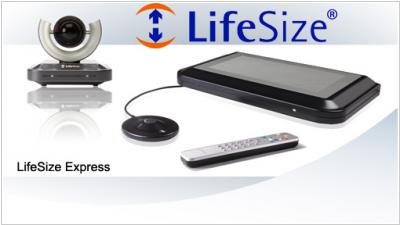
Logitech, the company known for its webcams and other peripherals, has become seriously interested in the videoconferencing market. It all began a year ago, when it acquired the excellent multipoint videoconferencing service SightSpeed. This summer, Logitech released its own software, Vid, a simple videoconferencing application that comes free with every Logitech webcam. But the budget videoconferencing market wasn't enough. Today, it was announced that Logitech has acquired one of the leading manufacturers of corporate videoconferencing equipment, the American company LifeSize. The deal is valued at $405 million. Cisco recently also entered this market, acquiring the Norwegian company Tandberg (unlike Logitech, Cisco is moving from the top down, from the telepresence niche). Thus, these two powerful companies are now becoming competitors.
2009. Cisco buys Tandberg for $3 billions
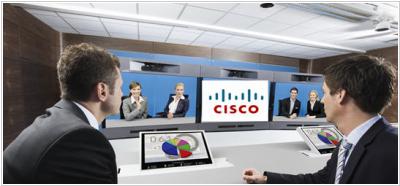
Cisco Systems announced that it has agreed to acquire Norwegian videoconference equipment maker Tandberg for $3 billions in cash. Cisco competed with Tandberg on the high end of the videoconferencing market (in the telepresence niche), but on the smb videoconferencing market, they had no chance to reach the Norwegian company. So they decided to buy the rival and its 40% market share. In result Cisco becomes the leading vendor of the video systems that range from small "videophones" to full conference-room setups. Number two in this space, US based Polycom has 34% market share. By the way, it's rumored that Polycom after that has all chances to be acquired by another IT giant, ***
2008. Sony Introduces PCS-XG80 HD Video Conferencing System
Sony has introduced the new PCS-XG80 series of HD videoconferencing systems. Distinguishing features include support for the highest resolution on the market: 1080i 30 fps, 720p video support up to 60 fps, a radio remote control, a built-in streaming server and the ability to record video to Memory Stick, support for wideband stereo audio, the ability of the HD camera to work in low-light conditions, support for SIP/H.239 for two streams with 720p and 30 fps video, the ability to connect to IP surveillance cameras during video conferences, and a built-in 6-port server with cascading capabilities. Unlike the older PCS-XG90 model, aimed at the broadcast market, the PCS-XG80 is compatible with existing SD videoconferencing systems. The estimated price is from 7,000 euros; for this price, the package includes a codec, an HD camera, two microphones, and a remote control.