Top 10 Secure CMS for Eastern Europe
Updated: 31.05.2026
Some of the most popular secure CMSs, their flaws, and security tools are mentioned below.
2021. In WordPress 5.8.1 developers fixed three security issues
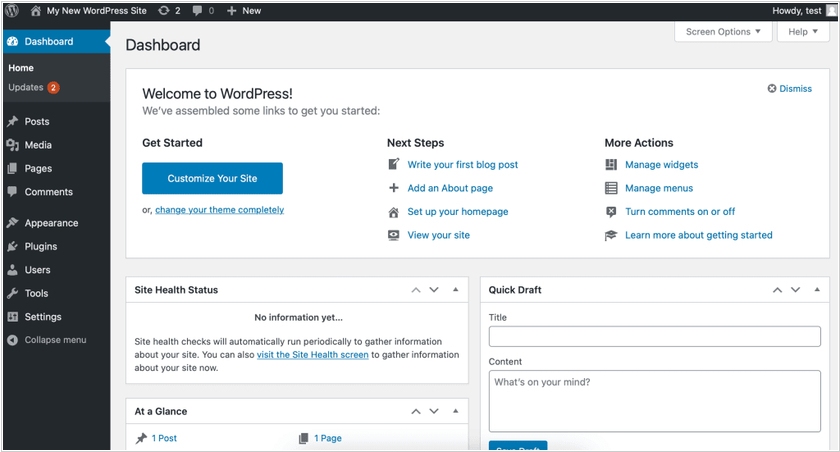
The WordPress open-source team has announced the release of version 5.8.1. In this update, the developers addressed a number of security issues in the REST API, the Gutenberg block editor, and the Lodash JavaScript library. Additionally, 60 bugs were fixed. All three security issues are quite serious, so the WordPress team recommends updating sites to the latest version.
2020. Adobe Experience Manager now offered as cloud-native SaaS application
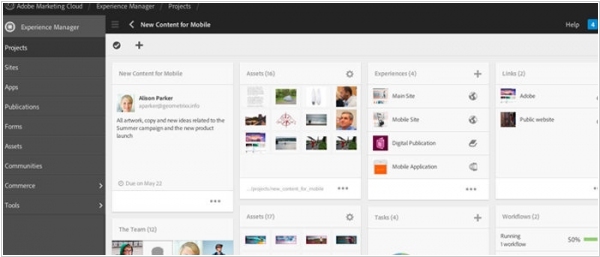
CMS software Adobe Experience Manager is now available as a cloud-native SaaS system. Prior to this, it was available on premises or as a managed service, but it wasn’t pure cloud-native. Obviously being available as a cloud service makes sense for customers, and offers all of the value you would get from any cloud service. Customers can now access all of the tools in AEM without having to worry about maintaining, managing or updating it, giving the marketing team more flexibility, agility and ongoing access to the latest updates. AEM provides a number of capabilities, including managing the customer experience in real time. Having real-time access to data means you can deliver the products, services and experiences that make sense based on what you know about the customer in any given moment.
2015. CleanTalk updated its anti-spam plugin for WordPress
Cloud-based antispam service CleanTalk has released a new version of its antispam plugin for WordPress. The new version features a unique feature for automatically checking existing comments for spam. This allows website administrators to automatically check and identify comments written by spambots that weren't detected by standard antispam tools. The new feature is currently available only for WordPress and will be gradually rolled out to other CMSs. Spambot messages (comments) often disguise themselves as messages from regular users, but contain advertising links or text. The main goals of such messages are to redirect users to malicious resources, place advertisements, or boost a site's rankings through links. This compromises a site and can damage its reputation, leading to a decrease in search engine rankings. Therefore, reliable protection against spambots is the only way to prevent the undesirable consequences of such cyberattacks.
2014. CleanTalk updated its Drupal anti-spam module
CleanTalk has announced the official release of its anti-spam module for Drupal. The new version features optimized code and improved anti-spam checks to enhance protection against spambots. The anti-spam module is compatible with Drupal versions 7.x-1.0 and has been approved by the official Drupal.org community. The module eliminates the need for security methods that hinder website communication, such as CAPTCHAs, Q&As, puzzles, and so on. These methods significantly reduce website conversion, the company noted. CleanTalk uses verification methods that are invisible to website visitors. Visitor or spambot behavior parameters are transmitted to the CleanTalk server and analyzed, and the server then determines whether the visitor is a spambot or a human visitor. The new version of the module is now available for download from the official Drupal.org directory. For the convenience of its customers, the company offers a free mobile app that allows them to manage and receive all registration/comment information on their mobile device (available for iPad/iPhone and Android devices). CleanTalk already provides automatic spam protection for CMS (Joomla, phpBB, Wordpress, DataLife Engine, SMF, IP Board, vBulletin, VirtueMart, Drupal, 1C-Bitrix, MediaWiki) and ready-made libraries/classes for PHP, Perl, Python, NET, and Yii.