Top 10 Business Video Streaming Platforms for Eastern Europe
Updated: 19.06.2026
Some of the most popular video streaming platforms for business events are mentioned below.
Users that searched for Top 10 Business Video Streaming Platforms for Eastern Europe then also viewed the following software:
See also: Top 7: Webinar and Live Event Platforms for Eastern Europe
Users that searched for Top 10 Business Video Streaming Platforms for Eastern Europe then also viewed the following software:
See also: Top 7: Webinar and Live Event Platforms for Eastern Europe
2026. DeepL acquired Mixhalo, will translate events and broadcasts
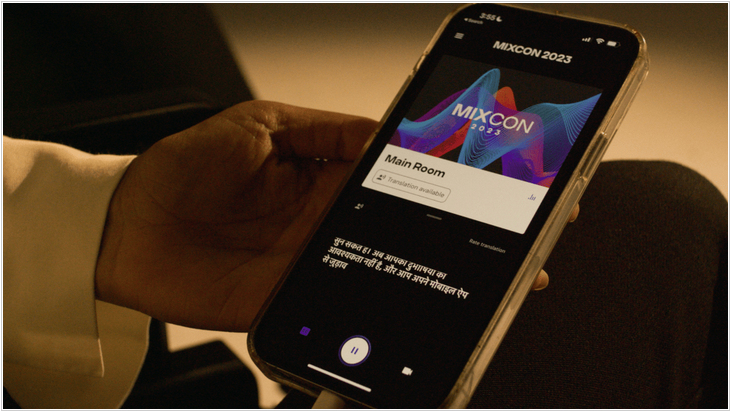
DeepL, a company that previously quietly developed an online translator in the shadow of Google Translate, is now trying to become a provider of AI voice agents and services for enterprise customers. It has recently acquired the startup Mixhalo, which develops an audio streaming platform and AI-generated translation for attendees of offline events and viewers of their online video broadcasts. Attendees can connect to the event stream through an app and listen to simultaneous translation in any language via headphones. In addition to translation, the service can also provide summaries of presentations that were missed. Mixhalo already uses DeepL as its primary translation provider, so the integration should not take long.
2023. YouTube launched co-broadcasts/webinars on iOS and Android
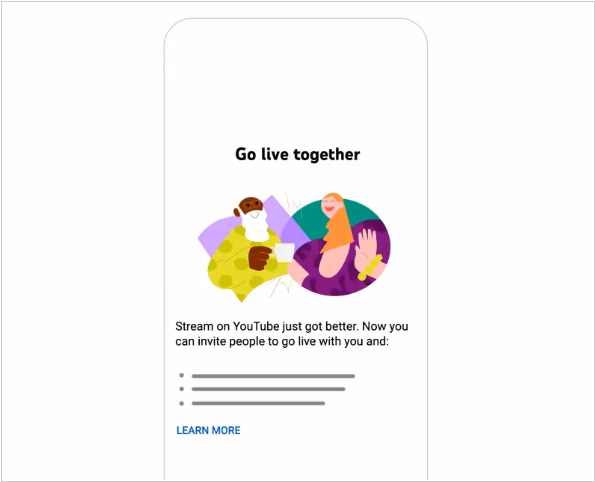
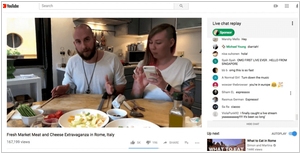
YouTube is one of the most popular webinar services, simply because it's free. The streaming feature is called YouTube Live, and it now features a new tool called Go Live Together, which allows two users to co-stream. A creator with 50 or more subscribers can invite anyone to a co-stream. A maximum of two people can participate at a time, but guests can be changed throughout the broadcast. Co-streaming is currently not available on the web version of YouTube. Users can schedule a broadcast on the service's website but must join through the mobile app.
2021. Microsoft has acquired a developer of video streaming technology
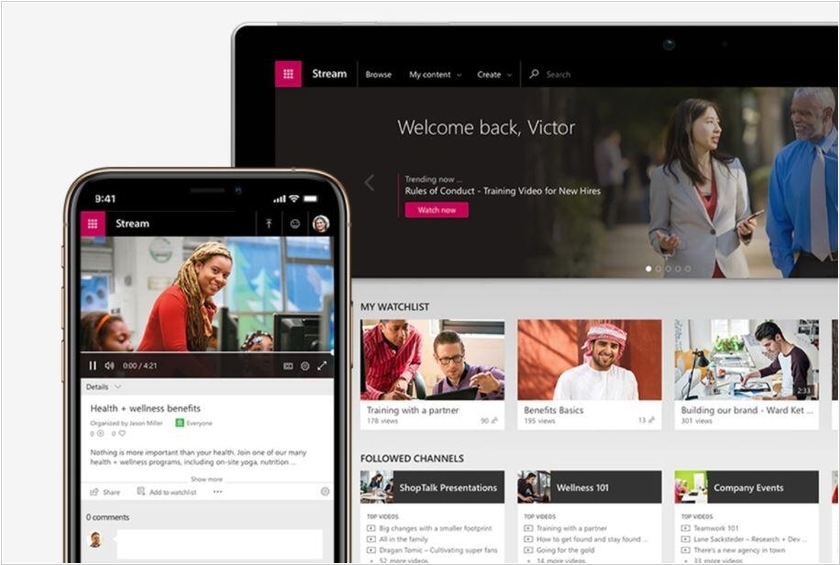
Microsoft has acquired Peer5, a company developing a WebRTC-based eCDN video content delivery solution that runs in the browser and optimizes bandwidth usage on corporate LANs. The solution adaptively increases bandwidth as the number of viewers increases. The technology requires no additional software installation on user endpoints or changes to the physical network infrastructure. Peer5's solution will allow Microsoft to integrate video streaming into its flagship Teams collaboration system, including for corporate television, intranet video galleries, and video broadcasts of corporate events.
2020. Facebook Live allows businesses to monetize online events
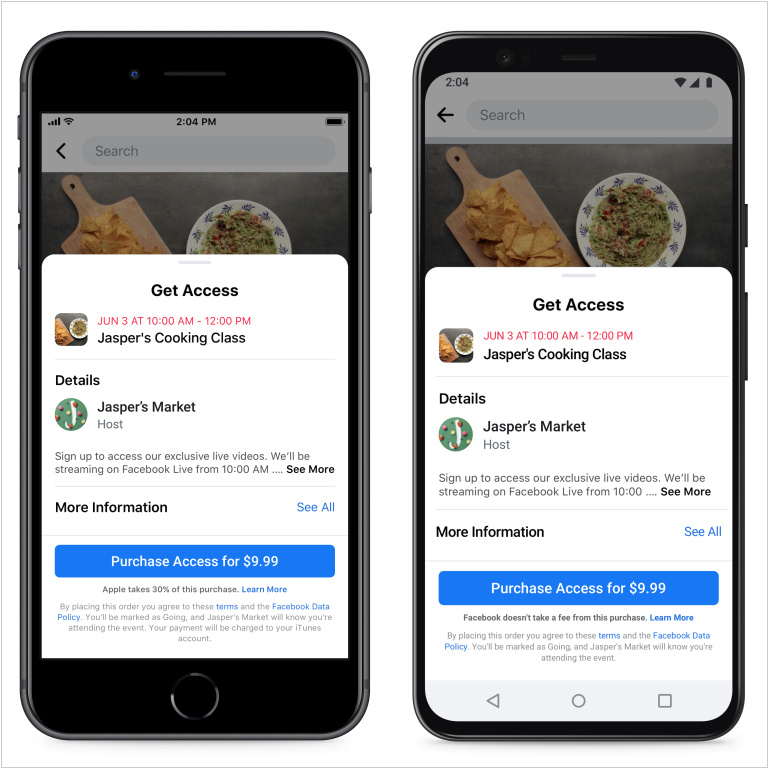
Facebook has launched Events feature that will allow businesses to monetize their online events on Facebook Pages. While the feature was initially designed for in-person events, due to the COVID-19 pandemic and associated social distancing measures, the company "very quickly pivoted" to supporting online events. Businesses will be able to host larger events through Facebook Live, as well as smaller, more interactive meetings in Messenger Rooms. The goal is to give business owners the ability to create an event, set a price, promote the event, collect payments (via Facebook Pay), and host the event—all in one place. Facebook will not charge any fees on paid online events for at least the next year. However, on iOS, 30% of ticket prices will go to Apple due to App Store policies.
2020. Facebook Live integrated with Messenger Rooms
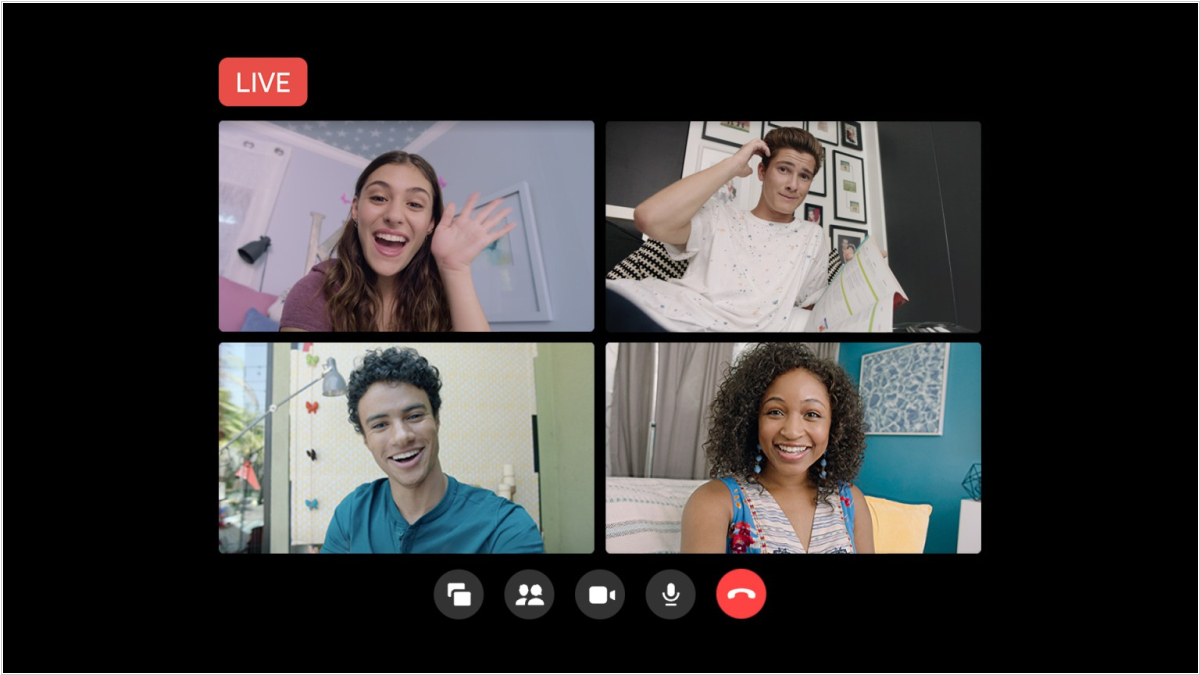
Meta has added the ability to livestream group video meetings from Messenger Rooms via the Facebook Live webinar service. This allows you to host broadcasts with up to 50 active participants, and live streaming from a room allows you to interact with an audience of any size. Messenger Rooms are group video calls in Facebook Messenger. You create a room and invite anyone to join, even if they don't have a Facebook account. As the room creator, you can broadcast your room to a profile, page, or group and invite people to join. The room creator controls the live stream and can add or remove participants from the live stream. All room participants receive a notification inviting them to join the live stream and must confirm their participation. They can also leave the room before the broadcast starts.
2016. IBM acquired video streaming platform UStream
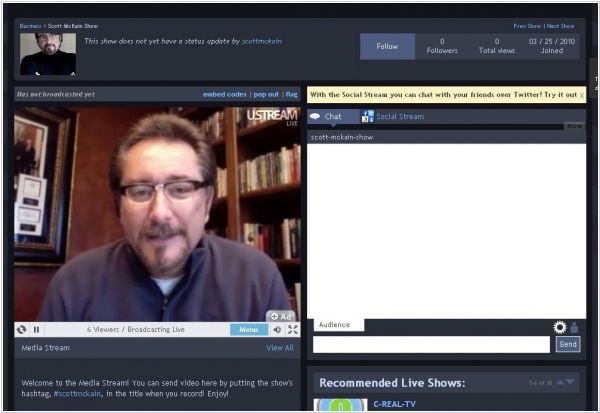
IBM has acquired the popular video streaming service UStream. Now the IT giant is forming a new division that will develop video services on the IBM Cloud platform. In December 2015, IBM acquired ClearLeap, a company developing video content management products. In October 2015, it acquired the video storage service Cleversafe, and in 2013, it acquired Aspera, a company developing data transmission systems. Following the acquisition of UStream, the formation of a division will begin that will focus on video development.
2015. Twitter acquired video streaming service Periscope for $100 million
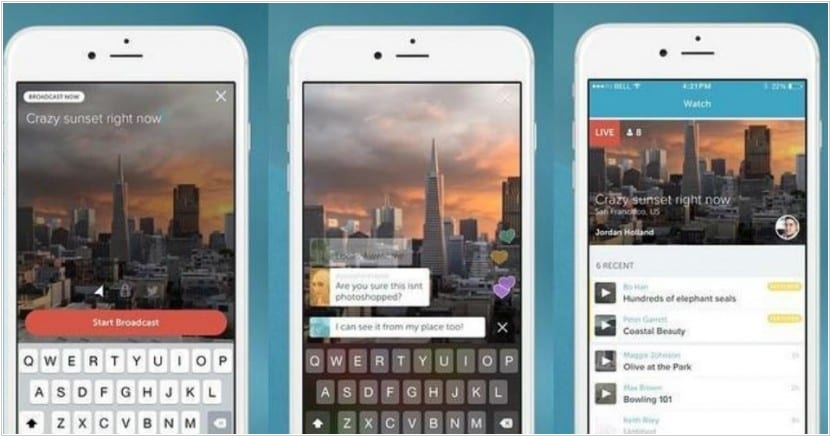
Twitter has acquired the startup Periscope, which develops an iPhone app for video broadcasting. The project is currently in closed testing, but has already attracted many users. Periscope allows smartphone owners to create video broadcasts. The secrecy surrounding the deal may be explained by the success of a similar project, Meerkat, which attracted 60,000 users within eight days of its launch. The app uses the Twitter API, allowing any user to create a broadcast, and a message about it will appear on their microblog. Followers who have installed Meerkat can join in. Tweets mentioning the service were blocked almost immediately—apparently, Twitter's system considered them spam. The service was later restored, and the buzz only increased the popularity of the new product.
2012. Google+ Hangouts On Air - available for business

The On Air feature, which allows you to organize online meetings in a webinar format, has been available in Google+ Hangouts since its launch. However, it wasn't available to everyone, only to select celebrities from show business and politics. Yesterday, Google announced that anyone can now host webinars with an unlimited number of participants (and for free). Naturally, this feature will be very useful for many companies organizing corporate meetings and webinars/presentations for clients. On Air differs from a standard Google Hangout online meeting in that it features a single host/moderator (who primarily speaks), while everyone else can join as viewers. The moderator can mute any viewer or, conversely, make their video central. A webinar recording can be immediately posted to YouTube, making it accessible to those who missed it live.