Нейросети для бизнеса
Updated: 19.02.2026
2024. Gemini 2.0 allows to generate images, audio and execute code
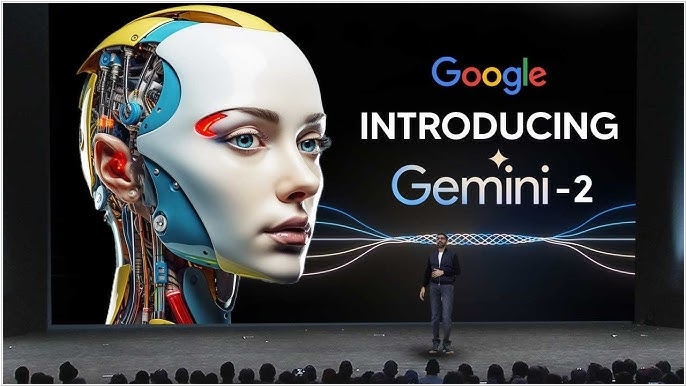
Google has unveiled a new version of its AI model, Gemini 2.0 Flash, which can generate not only text but also images and audio. Furthermore, the model is capable of working with third-party applications and services, such as Google Search, executing code, and much more. According to Google, Gemini 2.0 Flash is twice as fast as the previous version, Gemini 1.5 Pro, and significantly improves performance in tasks related to programming and image analysis. Along with the announcement of Gemini 2.0 Flash, the company also introduced the Deep Research feature, which allows AI to scan web pages and generate analytical reports based on an initial query. Compared to the first version of Gemini, the new model has improved reasoning abilities, understands more complex instructions, supports working with longer contexts, and has become more "agentive"—that is, capable of performing multi-step tasks independently, upon user request.
2024. Google Bard renamed to Gemini. Google Assistant switched to Gemini engine
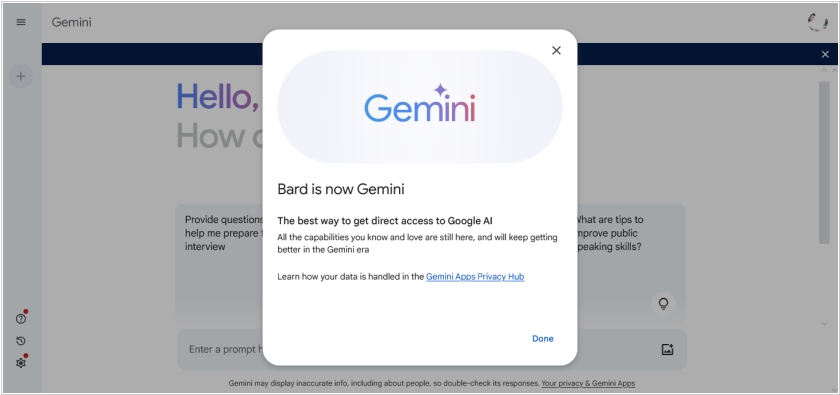
Demis Hassabis's Deepmind team has won a victory within Google. The Gemini model will completely replace the Bard model, developed in-house. The Bard language chatbot has already been renamed to Gemini, and the Google Assistant has switched to the Gemini engine (though currently only in English). Google claims that Gemini matches and even surpasses OpenAI's GPT-4 neural network in many respects. Bard currently uses Gemini Pro, the mid-range model in the Gemini series. Gemini is said to process information like the human brain and outperform all existing neural networks in any domain. Language in this AI model is just one of the information formats, along with code, images, audio, and video.
2021. Microsoft Azure to host GPT-3 instances for its clients
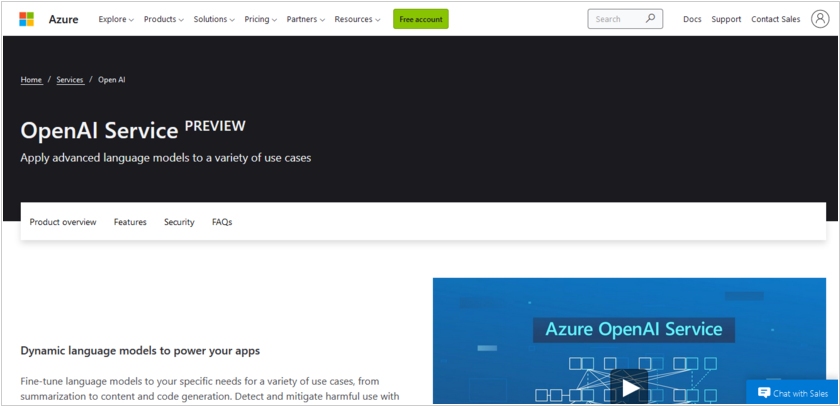
Microsoft announced OpenAI Service based on its Azure cloud platform. The service can be used for a variety of tasks, from processing client requests and summarizing large texts to writing code or generating answers to questions. Microsoft cited the example of a sports franchise developing an app to interact with fans during matches. Using GPT-3, a stream of comments can be transformed into short compilations of game highlights or generated original content for social media. Microsoft promised to provide customers with tools for filtering and moderating user requests and responses. In May, the company integrated the GPT-3 algorithm into the Power Apps low-code development platform to simplify coding.