
Top 10 LAN Chats for Eastern Europe
Updated: 19.05.2026
Some of the most popular local network chat systems are mentioned below.
Users that searched for Top 10 LAN Chats for Eastern Europe then also viewed the following software:
See also: Top 10: Enterprise Messaging Platforms for Eastern Europe
Users that searched for Top 10 LAN Chats for Eastern Europe then also viewed the following software:
See also: Top 10: Enterprise Messaging Platforms for Eastern Europe
2024. Slack for Linux Fixes Screen Sharing
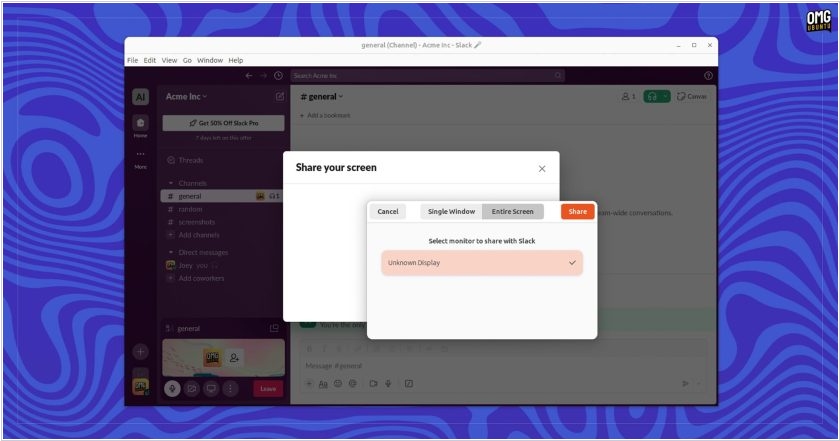
If you're using Slack on Ubuntu and were frustrated by screen sharing only showing a black screen (or even crashing the app), there's good news: these issues are now resolved. The new Slack version 4.38.115 patches WebRTC PipeWire functionality to support screen sharing on Wayland. The update also fixes two bugs that caused the app to crash in previous versions when this feature was enabled. While Slack engineers work with Chromium developers to fix the remaining minor bugs, screen sharing is now available to all users. If you've been waiting for this feature and need it, upgrade to the latest version and give it a try. The Slack for Linux release notes are so general that they don't include detailed information about fixes, known issues, or platform-specific additions, just nice, general statements like "we tweaked something, and the app is now a little better."
2021. Meta and Microsoft announced the integration of Workplace and Teams
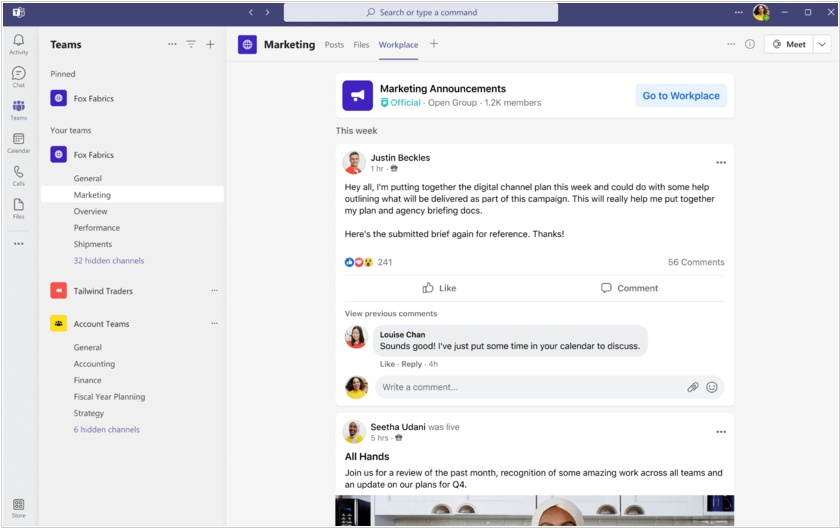
Although Facebook Workplace and Microsoft Teams compete in the collaboration software market, they approach it from different angles. Workplace is focused on company-wide social interaction, while Teams offers tools for instant communication between employees. Thanks to product integration, Teams users can access Workplace content within the app, and Teams video conferences can be viewed within the Workplace app. In addition to Teams, Workplace is already integrated with Microsoft Office 365, SharePoint, Azure Active Directory, and OneDrive.
2021. Microsoft is shutting down Skype for Business
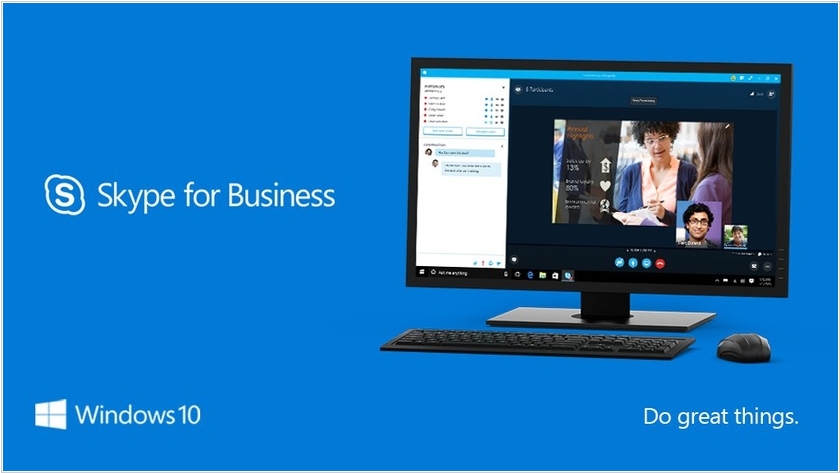
Microsoft has shut down the online version of its corporate instant messaging app, Skype for Business (formerly Lync). It has been replaced by Microsoft Teams. The shutdown of the corporate version won't affect regular Skype for now, but Microsoft released a completely free consumer version of Teams back in April 2021. There's also a server (on-premises) version, Skype for Business Server, a unified communications system that continues to be used by many companies. It's already known that Microsoft will stop supporting/updating it in 2025, although there have been no announcements yet about a server version of Teams.
2021. Amazon acquired secure enterprise messaging app Wickr
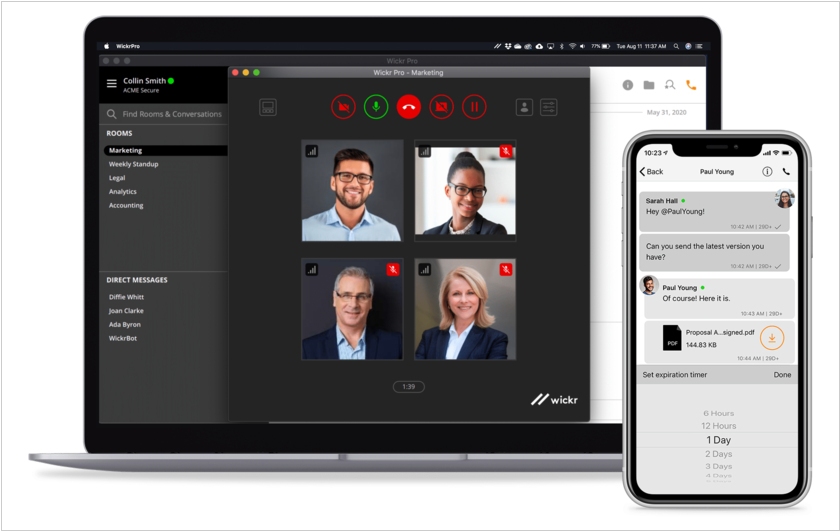
Amazon Web Services, has acquired Wickr, a startup developing a secure messaging app for businesses. It is said to be the only messenger that meets the NSA's security criteria. It supports video calling, video conferencing, file transfer, and integration with corporate systems. Installation on a private server on a local network or use as a SaaS service are possible. Amazon has had its own messenger, Chime, for several years, but it failed to gain much popularity in competition with Slack and Microsoft Teams. Amazon is likely now focusing on increased security.
2019. Microsoft is intimidating Slack. But Slack isn't afraid.

Recently, Microsoft announced that the audience of its enterprise messaging app Microsoft Teams has reached 13 million daily users, which is 3 million more than Slack. They even drew a graph that should scare Slack with this trend. But Slack founder Stewart Butterfield said that there is no reason to worry as long as Slack is more user-friendly. He acknowledges that Teams' active user growth may continue to increase due to the growth of paid subscriptions to Office 365, of which the enterprise messaging app is a part. But, he says, Microsoft has also previously tried to compete with Google search by leveraging the large Windows audience, and it has failed.
2019. Microsoft Teams adapted for out-of-office workers
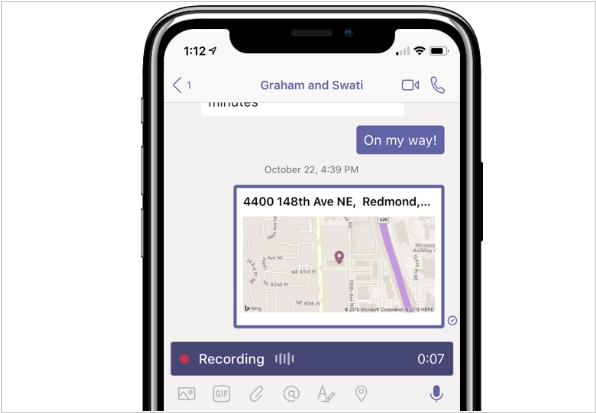
Group messaging apps like Slack and Microsoft Teams are typically used by office workers. But Microsoft thought it would be great to bring their messaging app to frontline workers (e.g., salespeople, doctors, technicians, and drivers). They've added several useful features: the ability to share their current location, take photos within Teams and send them over a secure connection, and record audio. For example, after a customer visit, a service technician can map the visit and record the results as an audio report. The system also now includes an API for integration with corporate HR systems.
2018. Cisco Jabber now supports multi-line architecture
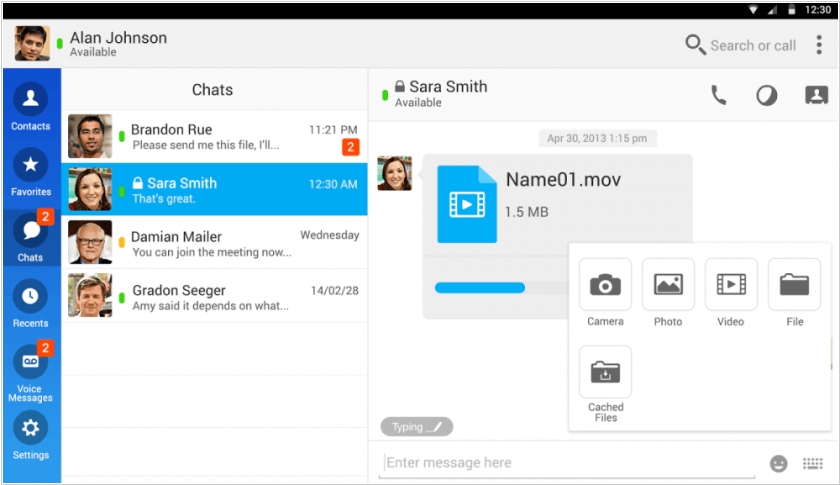
Cisco has added multi-line support to Cisco Jabber 12, its unified communications client for instant messaging and presence. Users can now switch between up to eight phone lines on their softphone and access contact lists even when instant messaging is disabled. Cisco has also integrated Jabber with Android Auto devices, allowing Android users to listen to instant messages in the car and respond to them using voice-to-text input. The release of Jabber 12 underscores the company's continued commitment to supporting client solutions for on-premises deployments, even as it advances its cloud-based team collaboration platform, Cisco Spark. Currently, more than 50 million users use Cisco Jabber, primarily in conjunction with on-premises deployments of Cisco Unified Communications Manager.
2017. Microsoft Teams will replace Skype for Business
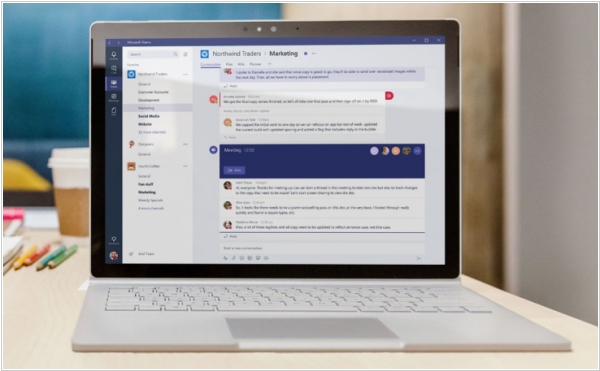
Microsoft announced that its new groupchat Teams will become its core communications platform for users running Office 365. Until now, Skype for Business was the company’s product for this. According to Ron Markezich, the company’s corporate VP for Office 365, Teams will become the “hero and primary experience for all voice, video and meetings.” Over time, Teams will replace the current Skype for Business client. Microsoft obviously knows that enterprises don’t move fast, so for those who don’t want to do away with their existing PBX systems and calling capabilities to the cloud, it’ll launch a new version of the Skype for Business server in 2018. For those who do make the transition to Teams, Microsoft promises lots of new calling features and meeting enhancements with outbound and inbound calls to and from regular phones, support for voicemail, call holding, call transfers and other standard telephony features.
2011. Cisco launches pumped-up Jabber
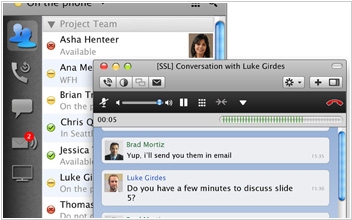
Cisco is finally launching the product Cisco Jabber based on the acquired in 2008 platform Jabber XCP. Cisco Jabber is an enterprise multimedia messenger, that besides online status control and text messaging also provides voice and video calls, conferencing, video-mail and screen-sharing. And it works on PC, Mac and mobile platforms - iPhone, iPad, Nokia, Android and BlackBerry. And the server-side can work in the cloud or on a local server. Of course the app is based upon the XMPP messaging protocol, which means that it’s compatible with many other XMPP-compatible IM services, including GTalk, AIM and Sametime. Cisco Jabber can also "talk" to other Cisco communicative solutions: WebEx, Cisco Telepresence, Cisco UC, Cisco IP-phones. In addition, it integrates with MS Office and users can initiate chat or video-chat directly from office applications such as MS Outlook.
2006. MyChat - client-server messenger for local network
MyChat is a client-server communications suite for corporate networks. It runs on Windows Me/NT/2000/XP via TCP/IP. Its functionality includes sending/receiving text messages, sending files and SMS, public and secret channels, private conversations, broadcast messaging, a scheduler, a phone book, an address book, and much more. All administrative actions are performed on the server using a graphical interface, a built-in console, or a Telnet session. All transmitted messages can be saved in server logs. Channel and server operator mechanisms are available. Various filters can be configured: for users, flooding, bad words, etc. The server can be managed not only directly but also remotely, using a Telnet session from any operating system.