ChatGPT
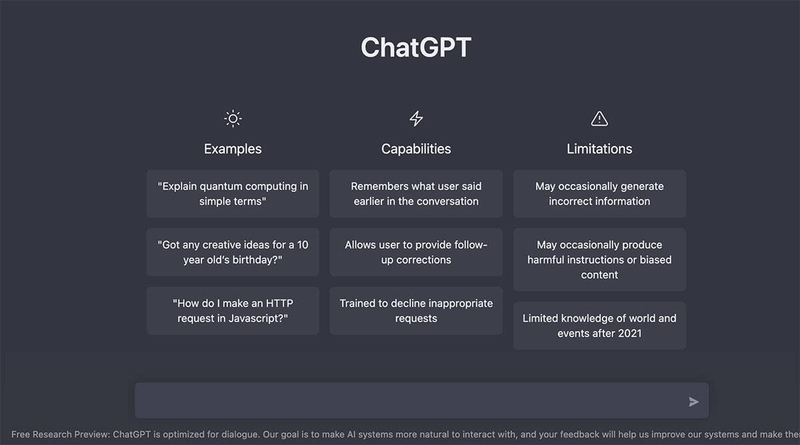
ChatGPT is an AI-powered language model developed by OpenAI, capable of generating text, images, code based on context and past conversations. API for business.
Add comment
Add comment
Alternatives and relevant products
Users who were interested in ChatGPT, then also viewed:

News about ChatGPT
24.03.26. ChatGPT gets cloud file storage
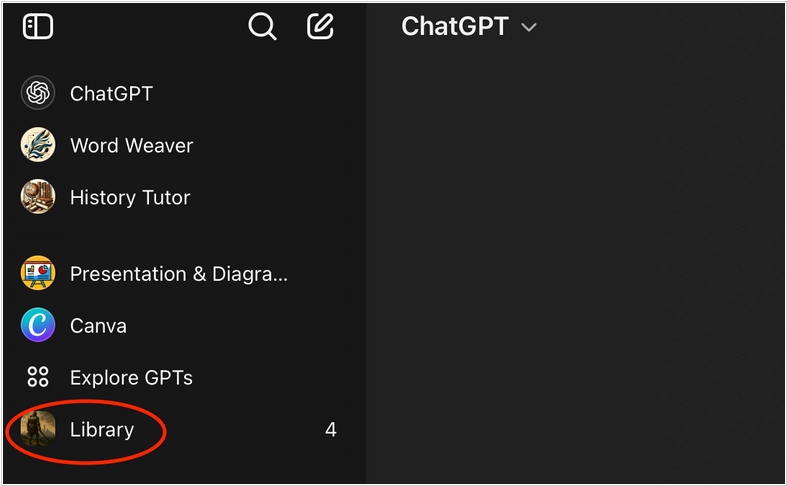
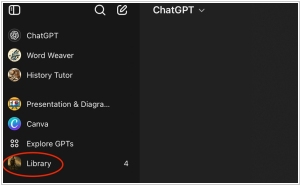
OpenAI continues to attack Google on its territory (as Sam Altman says - increase the surface of contact with users). The new feature ChatGPT Library allows users to store files and pictures in one reliable cloud storage. In the web version, the section is displayed in the sidebar. ChatGPT will automatically store downloaded and generated files there, including those from chats. And then, obviously, it will be possible to use all these files as a context for new chats. For now, the new feature can be used only by paid subscribers on the Plus, Pro and Business tariffs.
2026. OpenAI has launched its own Google Translate alternative.
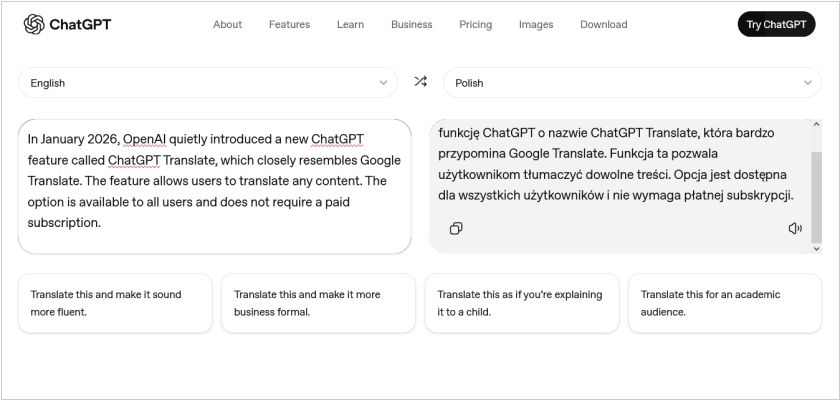
OpenAI believes that since Google is dumping and attacking ChatGPT in the chatbot market, they need to attack Google in consumer product niches. That's why OpenAI launched a browser and now it's launching ChatGPT Translate. While people already use ChatGPT for translation, they apparently decided to create a separate service for marketing purposes, positioning it as a direct competitor to Google Translate. The interface is very similar, but beneath the standard text fields there are AI tools that allow you to customize the translation style, for example, making the translation more formal or simpler. The service understands context, tone and idioms, allowing it to translate text more accurately.
2025. ChatGPT launched its app store

Back in October, ChatGPT announced the availability of third-party apps in its chatbot. Some major service providers, including Expedia, Spotify, Zillow and Canva, have implemented integration add-ons that allow users to access their services directly from Chat conversations. Now, the company has launched the OpenAI Developer platform with SDK toolkit and dedicated AI agents for Codex development. This platform allows any interested developer to publish their apps to ChatGPT. Once approved, an add-on is added to the app catalog, which is located in the Chat tools menu.
2025. OpenAI launched apps inside ChatGPT

OpenAI has enabled developers to embed their apps directly into ChatGPT. Initially, ChatGPT users will be able to access interactive apps from Booking.com, Expedia, Spotify, Figma, Coursera, Zillow and Canva. By typing the names of various apps into ChatGPT, users can interact with them via a language-based interface. For example, a user could type, "Expedia, find me hotels in Chicago for under $250 a night." Apps can respond with text, trigger actions or display a fully interactive user interface in responses. If user is already subscribed to the app, they can log in directly to their account in ChatGPT to access certain features. OpenAI is also launching an Apps SDK - a developer toolkit designed to build these apps.
2025. OpenAI unveils GPT-5 that will waste your time
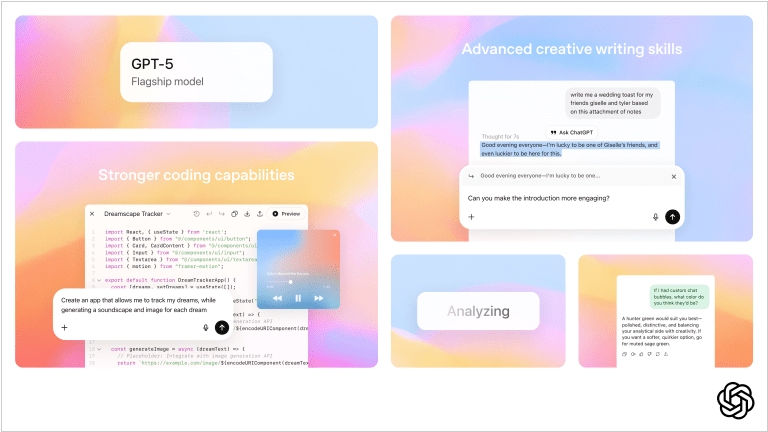
OpenAI has unveiled GPT-5, its new flagship model that will now power ChatGPT. GPT-5 is positioned as the first “unified” model that combines the reasoning capabilities of the O-series models with high-speed regular models. Instead of asking you to select the right settings, GPT-5 itself determines how to offer the best response: by quickly answering or spending additional time “thinking” about the answers. (But as you know, answers after thinking are just as hallucinatory as without them, but now you can’t turn off reasoning - you can only constantly click Quick Reply). In addition, the new model (unlike GPT-4) is reportedly optimized for creating not chatbots, but agents capable of performing a wide range of tasks on behalf of the user.
2025. ChatGPT adds an agent that can perform tasks on websites
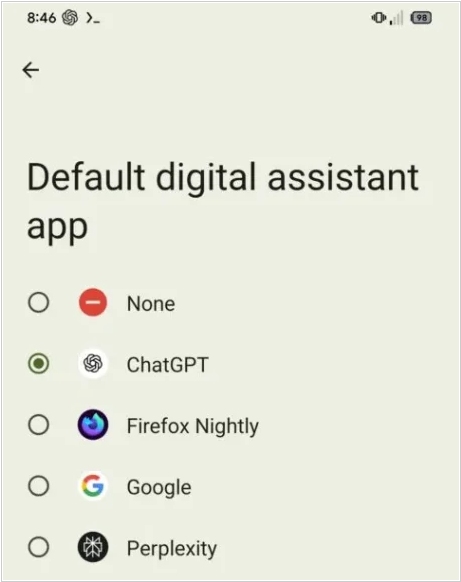
OpenAI has introduced ChatGPT Agent, an AI agent that can navigate the web and perform tasks on your behalf. It can search the web and collect information, scroll pages, click buttons and submit forms. For example, it can go to your GMail and answer your question about who sent you new emails. In fact, it works similarly to the browser assistant Perplexity Comet. Anthropic also has a similar tool called "use computer" that can control the cursor and write code. OpenAI and Anthropic are expected to introduce browsers with built-in agents in the near future.