
OpenStack
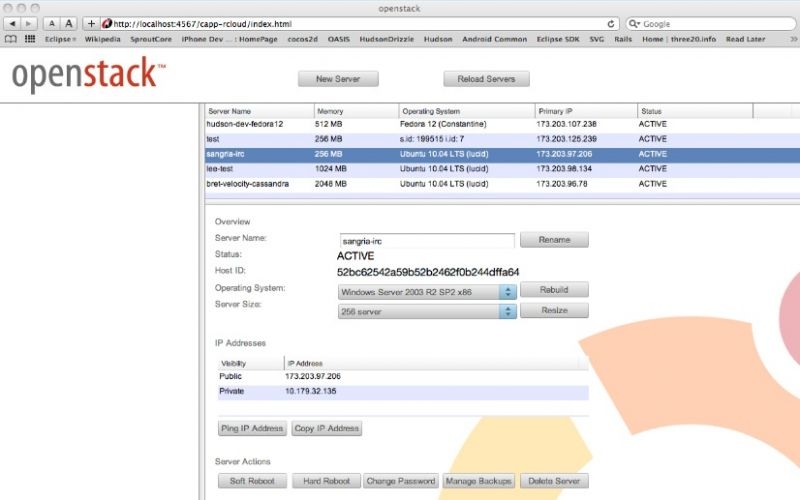
OpenStack is a global collaboration of developers and cloud computing technologists producing the ubiquitous open source cloud computing platform for public and private clouds. The project aims to deliver solutions for all types of clouds by being simple to implement, massively scalable, and feature rich. The technology consists of a series of interrelated projects delivering various components for a cloud infrastructure solution.
Add comment
Add comment
Alternatives and relevant products
Users who were interested in OpenStack, then also viewed:
News about OpenStack
2019. SUSE abandons OpenStack Cloud in favor of Kubernetes
SUSE, well-known European Linux and open source company and a longtime contributor to the OpenStack IaaS program, has decided to discontinue new versions of its private cloud management platform, SUSE OpenStack Cloud. SUSE will now focus on its Kubernetes, Cloud Application Platform, and CaaS Platform offerings. The company will also continue to develop its SLES enterprise Linux server and SUSE Enterprise Storage, a software-managed client data storage platform based on Linux and Ceph technology.
2015. Google Compute Engine adds Windows Server
Google made Windows Server support on its Compute Engine platform available for all. Cloud Engine users are now covered by Google’s Compute Engine SLA when they run their applications on Windows Server 2012 R2 and the older Windows Server 2008 R2. This also means developers can now use Google’s platform to run their Active Directory, SQL Server, SharePoint, Exchange and ASP.NET servers. Google offers Microsoft License Mobility for its platform, so Microsoft customers can move their existing software licenses from their on-premise deployments to Google’s cloud without having to pay any additional licensing fees.
2012. OpenStack - is like the Soviet Union. Who develops OpenStack?
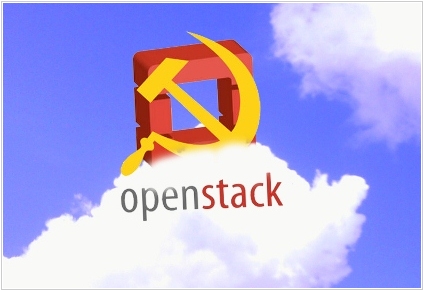
Last week, RackSpace has launched the open platform OpenStack in its cloud. And though HP has done the same a little earlier, but in HP Cloud OpenStack is running in beta mode, but in RackSpace Cloud - anyone already can start using OpenStack for business needs. So now all these debates what is more cool, Amazon Web Services or OpenStack will go into practical area. And the last theoretical debates took place shortly before the launch at the GiGaOm Structure conference. And at this conference, Chris Kemp, CEO of cloud provider Nebula (which, by the way, is OpenStack member) compared OpenStack with Soviet Union - "a collective farm ostensibly run for the good of its members, but where nothing is actually accomplished." Why Chris Kemp said that? Let's take a look, who develops OpenStack: ***
2012. OpenStack launches. CloudStack departs. Amazon adapts SAP. Azure rebrands
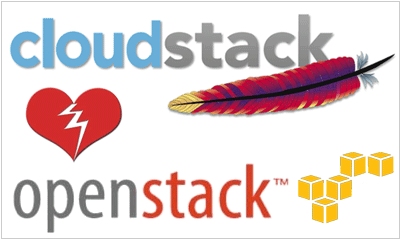
Here is the news digest from the leading cloud platforms. First of all, the open-source platform OpenStack (aka Linux for the clouds) which had been developed for two years by the alliance of IT giants (Rackspace, NASA, Citrix, Intel, AMD, Cisco, Dell, HP, IBM ...) - finally comes to production. Since May 1, it was adapted by RackSpace for its service Rackspace Cloud Files and last week HP launched the public beta of its HP Cloud platform, based on OpenStack. However, a week before the launch the trouble (common for open-source projects) occurred with OpenStack. Citrix, which has been one of the first participants in OpenStack, suddenly decided to grant its own cloud platform - CloudStack - to Apache Software Foundation. Thus, CloudStack not flowed into OpenStack but became a rival project. Citrix explained this decision by the slow OpenStack development and unwillingness of other parties to integrate with Amazon Web Services APIs. ***
2012. Amazon - gets closer to Windows, OpenStack - closer to Linux
The situation on the cloud (IaaS) platform market more and more reminds us the history of the desktop operating systems (Windows and Linux). On the one hand - open and standard-based platform OpenStack. It's standards this week were supported by two more giants - IBM and Ericsson, that joined the OpenStack alliance. Before them the alliance included Rackspace, Citrix, Intel, AMD, Cisco, Dell, HP. On the other hand - proprietary but already very popular platform Amazon Web Services (AWS). AWS gained it's popularity as a simple and open platform which allows to restore Linux or Windows server and scale it depending on the load. It was relatively easy to move applications of AWS. But as Amazon adds new features to AWS, it lockes clients and partners more and more in its golden cage. ***
2011. HP and Dell support OpenStack
It seems that OpenStack, the open-source IaaS platform led by Rackspace, has really become the Linux of the Cloud Computing era. The two cloud hardware giants - HP and Dell - has recently joined the alliance. HP joined on paper and Dell - are already in practice. Yesterday Dell unveiled the solution for building private and public clouds Dell OpenStack Cloud. From the title it's clear on what software platform it is built. Recall that the OpenStack alliance already includes the chip makers Intel and AMD, virtualization giant Citrix, networking giant Cisco, cloud management developers Cloudkick and Rightscale, cloud providers Rackspace and Cloud.com. Each of these companies contributes to the OpenStack development, making it ideally compatible with the hardware, networking equipment and intermediate software. On the other side of the market there are Oracle, IBM, VMWare and Amazon, offering their proprietary cloud solutions. But it will be hard for them to play against such a powerful alliance.
2010. Rackspace wants to be Linux for Cloud Computing
As we recently mentioned, the private clouds have become the necessary intermediate step in moving companies to public cloud platforms. In result we see more and more private cloud solutions on the market. Basically it's a game for IT giants: IBM, Oracle, HP. These vendors use to supply the ready-made cloud solutions: servers + virtualization + operating systems + DBMS ... So companies are forced to buy all this staff combined and can't use the equipment in the existing data centers. It's like buying a computer from Apple with all included. But recently the pure software solutions for creating enterprise clouds appear. Moreover, one of the major cloud providers Rackspace has initiated the project of creating the free open-source platform for building clouds - OpenStack - something similar to Linux in the world of computers. ***